
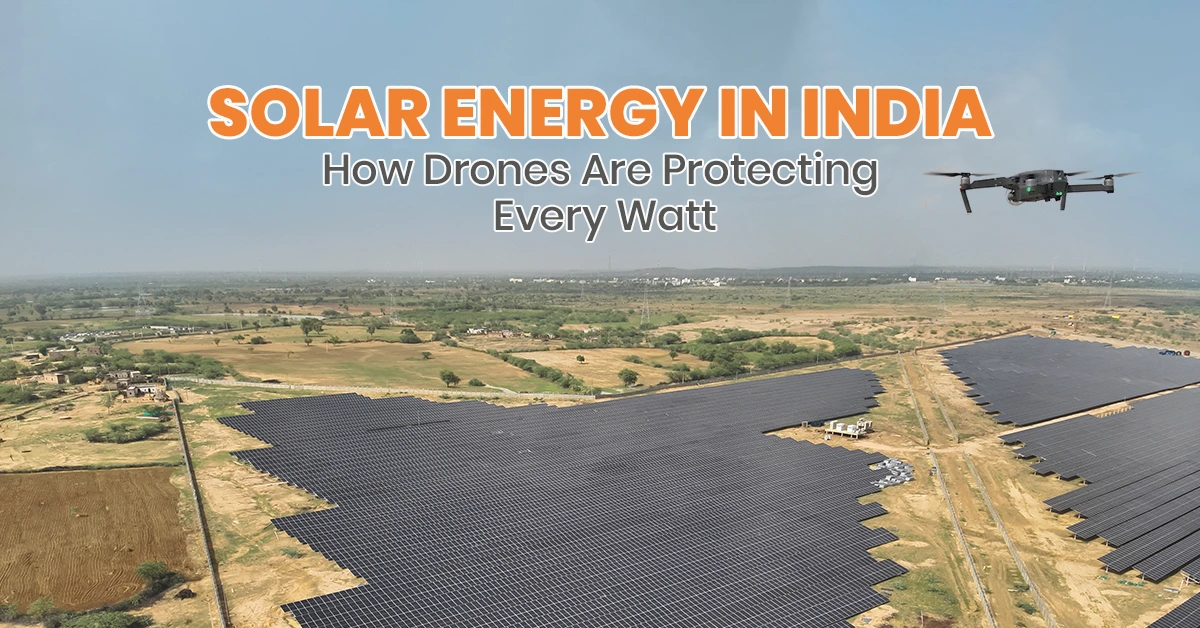
India’s Solar Energy Boom And Its Silent Blind Spot
Table of Contents
India’s solar energy story is one of the most remarkable in the world.
The country’s cumulative solar PV installed capacity reached 97.9 GW in 2024, with 24.5 GW added in that single year alone — more than double the additions in 2023, according to the Central Electricity Authority (CEA). The government’s National Electricity Plan targets 280 GW of solar PV capacity by 2030, requiring roughly 30 GW of new solar energy installations every year. That’s not ambition — that’s a mandate backed by policy, capital, and the world’s largest ongoing solar expansion.
The solar energy market in India generated revenues of USD 10.4 billion in 2023, with growth projected at 13.4% annually through 2030.
But here’s what the headline numbers don’t say: across thousands of solar energy plants already operating in India, a quiet problem is compounding every year. Panels degrade. Faults develop. Thermal anomalies build silently inside module arrays. And in too many cases, the inspection methods used to catch these problems simply do not keep pace with the scale and complexity of modern solar energy infrastructure.
The result? Lost kilowatt-hours. Invisible yield erosion. Assets underperforming against their design benchmarks not because the technology failed, but because nobody found the problem in time. Closing this gap requires new tools. Drone-based inspection is designed to meet this need and to change the standard for how faults are found in India’s rapidly growing solar sector.
Why Solar Energy Plants Lose More Than They Should
Most solar energy plant operators track performance through SCADA systems monitoring string-level voltage and current data in real time. SCADA is essential, but it has a fundamental limitation: it tells you that something is wrong, rarely what or exactly where.
A single faulty bypass diode in one module can drag down an entire string’s output. Dust accumulation patterns specific to a certain section of the plant create localised soiling losses. A cracked cell developing into a hotspot progressively worsens over months. None of these announce themselves clearly in SCADA dashboards until the performance delta becomes large enough to flag an alert by which point, cumulative yield loss has already occurred.
Industry studies from solar energy O&M operators suggest that thermal anomalies and undetected faults account for 3–8% of annual energy yield loss in plants relying solely on SCADA monitoring. On a 50 MW solar energy plant generating roughly 85 million kWh per year, even a 4% yield loss represents over 3.4 million kWh of unrealised generation annually — a significant financial impact that compounds over the 25-year plant lifecycle.
The challenge is detection. And detection at the scale, frequency, and precision that modern solar energy assets require demands a fundamentally different approach than walking the rows with a handheld thermal gun.
How Drone Technology Is Transforming Solar Energy Maintenance
Drone-based inspection brings three things to solar energy maintenance that ground-level methods cannot match: speed, sensor resolution, and repeatability.
How the Process Works
Flight Planning: Before a single drone takes off, the inspection team uses GIS plant layout data to programme precise, overlap-optimised flight paths that ensure complete module coverage. For large solar energy plants (10 MW and above), this planning phase is critical for data consistency.
Thermal Imaging (IRT): The primary sensor for solar energy inspection is a calibrated radiometric thermal camera — such as the DJI Zenmuse H20T. As the drone flies over the array under stable irradiance conditions (ideally above 600 W/m²), the thermal sensor captures surface temperature distributions across every module. A healthy solar panel shows uniform thermal output. Any electrical fault, cell crack, diode failure, or soiling anomaly produces a distinct heat signature detectable at temperature deltas as small as 2–3°C above ambient.
RGB Visual Survey: Simultaneous high-resolution RGB imaging captures physical damage glass cracks, delamination, soiling build-up, structural issues with mounting systems — that thermal data alone may not fully characterise.
Data Processing: Post-flight, raw thermal and visual data are georeferenced and processed to produce anomaly maps, defect classification tables, and module-level inspection reports each fault tagged with GPS coordinates for direct maintenance action.
A solar energy plant inspection that would take a ground team 4–5 days can be completed in a single day by drone, with higher data density, better spatial accuracy, and a directly comparable dataset for year-on-year benchmarking.
What Drones Actually Detect in a Solar Energy Plant
Not all defects are equal — and not all are detectable by the same method. Here’s a practical breakdown:
Detectable via Thermal Drone Inspection
- Single-cell hotspots — caused by cracked cells or cell mismatch within a module
- Multi-cell hotspots — typically indicative of bypass diode failure or reverse bias conditions
- Full-module hotspots — associated with delamination, severe soiling, or shading overlap
- String-level anomalies — wiring faults, loose connections, inverter-string mismatches
- Junction box overheating — a leading indicator of fire risk in solar energy installations
- PID (Potential Induced Degradation) patterns — visible as clusters of thermally suppressed modules
Detectable via RGB / Visual Imaging
- Glass breakage and micro-crack patterns
- Soiling, bird droppings, and dust accumulation
- Structural damage to racking or mounting hardware
- Vegetation encroachment near panel edges
- Standing water on ballasted rooftop solar energy systems
What Complements Drone Inspection (Not Replaced By It)
- IV curve tracing (module-level electrical characterisation)
- EL (electroluminescence) imaging — requires darkness and ground-based equipment.
- Insulation resistance and ground fault testing
A solar energy O&M programme combines aerial drone inspection for broad coverage and fault triage with periodic ground-based electrical testing for detailed characterisation of flagged modules.
The Real Cost Comparison: Drones vs. Manual Inspection for Solar Energy
The business case for drone inspection in solar energy is straightforward once you compare the right numbers.
Consider a 20 MW solar energy plant in Gujarat. A traditional manual thermal inspection requires:
- 6–8 technicians on site for 3–4 days
- Travel and accommodation for remote plant locations
- Partial coverage (human fatigue limits how much ground a team covers per day)
- No georeferenced output — findings are notes and photographs, not spatially mapped data
A professional drone inspection for the same plant:
- 2-person team (pilot + data analyst), single day on site
- Complete plant coverage with calibrated thermal and RGB data
- Georeferenced anomaly map with GPS-tagged module-level defect log
- Report delivered within 3–5 business days.
When you add in the cost of undetected faults — the yield loss that compounds week after week between inspection cycles — the ROI on drone inspection for solar energy becomes compelling at any plant scale above 1 MW. For utility-scale assets above 50 MW, it’s not a choice between drone and manual inspection. It’s a choice between effective asset management and leaving money on the table.
Solar Energy Across India: Why Geography Demands a Better Solution
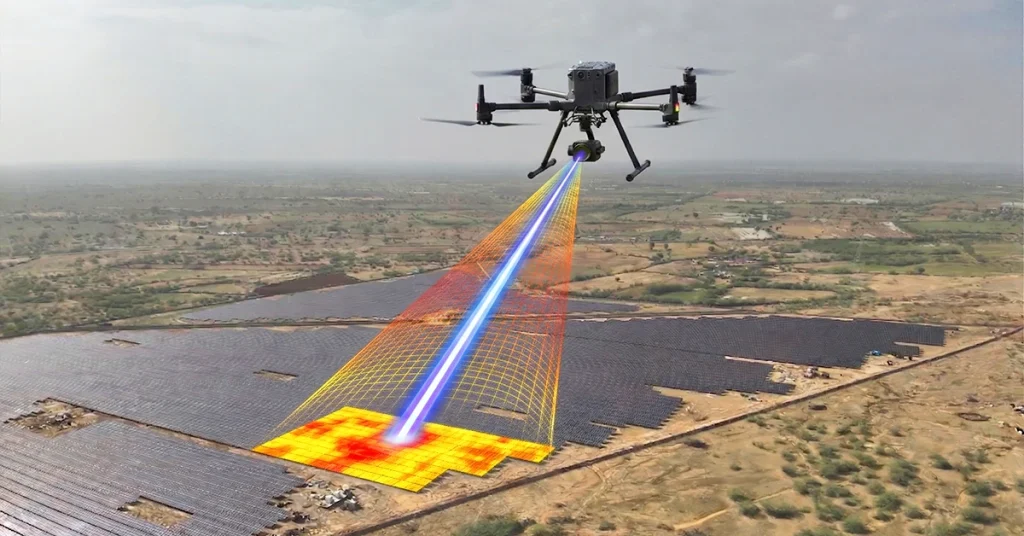
India’s solar energy geography is uniquely challenging — and uniquely suited to drone inspection.
Rajasthan and Gujarat host India’s largest utility-scale solar energy parks, many located in remote arid zones with extreme dust loads, temperature swings, and minimal local infrastructure. Manual inspection teams face real logistical and safety challenges in these environments. Drones don’t.
Tamil Nadu and Karnataka have dense clusters of both utility and C&I (commercial and industrial) rooftop solar energy installations spread across industrial corridors. Inspecting dozens of rooftop systems efficiently requires mobile teams that can survey multiple sites in a single day — a workflow built for drone operations.
Andhra Pradesh and Telangana are among India’s fastest-growing solar energy markets, with large parks under development and existing assets requiring systematic O&M programmes. Remote locations and expansive plant footprints make ground inspection logistics expensive.
Maharashtra and Delhi NCR have significant rooftop solar energy portfolios on commercial buildings, warehouses, and manufacturing facilities — where sending inspection teams onto large industrial rooftops creates real safety liability. Drones eliminate that risk.
Himachal Pradesh and Uttarakhand are emerging solar energy markets where difficult terrain makes ground access genuinely hazardous. This is where aerial inspection doesn’t just add value — it enables inspection that wouldn’t otherwise be practical.
The diversity of India’s solar energy landscape demands an inspection approach that is mobile, scalable, and terrain-agnostic. That’s exactly what drone inspection provides.
DGCA Compliance: The Standard Every Solar Energy Operator Should Demand
Any commercial drone operation in India falls under the Drone Rules, 2021, governed by the Directorate General of Civil Aviation (DGCA). Compliance is not optional and for solar energy asset owners, verifying your inspection provider’s regulatory status is a fundamental due diligence requirement.
Here’s why it matters beyond bureaucracy:
Insurance validity: Drone operations conducted without proper DGCA authorisation can void site liability insurance policies. An incident during a non-compliant inspection exposes the plant owner — not just the operator — to financial and legal risk.
Lender and investor requirements: As solar energy project financing matures in India, technical advisors to lenders are increasingly scrutinising inspection documentation. Reports from non-certified operators may be rejected in due diligence processes for refinancing, asset sales, or project audits.
Airspace near solar energy infrastructure: Many solar energy plants are located near transmission corridors, defence zones, or controlled airspace requiring specific clearances through India’s Digital Sky Platform. A compliant operator manages these permissions as part of the service. An uncertified one simply can’t fly — or does so at your legal risk.
What to verify before engaging a drone inspection provider for your solar energy asset:
- DGCA-certified Remote Pilot Licence (RPL) for all operators
- UIN (Unique Identification Number) registration for all drones used
- Commercial drone insurance coverage
- Digital Sky Platform clearance capability for your plant’s airspace zone
Partner with a DGCA-compliant provider like Lesoko, which handles all regulatory requirements end-to-end so your solar energy inspection is legally sound, insurable, and bankable.
What a Professional Drone Inspection Report Looks Like
The value of a solar energy drone inspection is only as good as the report it produces. Here’s what a professional deliverable should include:
Executive Summary: Plant-level risk assessment, total anomaly count by severity (critical / moderate / monitor), and key findings for plant management review.
Georeferenced Anomaly Map An orthomosaic base map of the solar energy plant overlaid with GPS-tagged anomaly markers, classified by defect type and severity tier. This is the operational document your maintenance team uses to locate and prioritise every flagged module.
Module-Level Defect Log: A structured table listing each flagged module with GPS coordinates, anomaly classification, thermal delta-T reading, and recommended action (immediate replacement / priority repair / monitor at next cycle).
Calibrated Thermal Image Library Radiometric thermal images for each anomaly, with annotated temperature readings and adjacent-module reference comparisons essential for severity verification and insurance documentation.
RGB Image Catalogue: High-resolution visual images of all physical defects, correlated with thermal findings where relevant.
Methodology and Survey Parameters: Sensor model and specifications, flight altitude and speed, irradiance conditions at time of survey, and calibration data required for report credibility, repeatability benchmarking, and lender TA acceptance.
Prioritised Maintenance Recommendations: A tiered action plan with estimated performance impact of addressing each defect category giving your O&M team a clear, evidence-based work order list.
Lesoko: PAN-India Drone Inspection for Solar Energy Assets
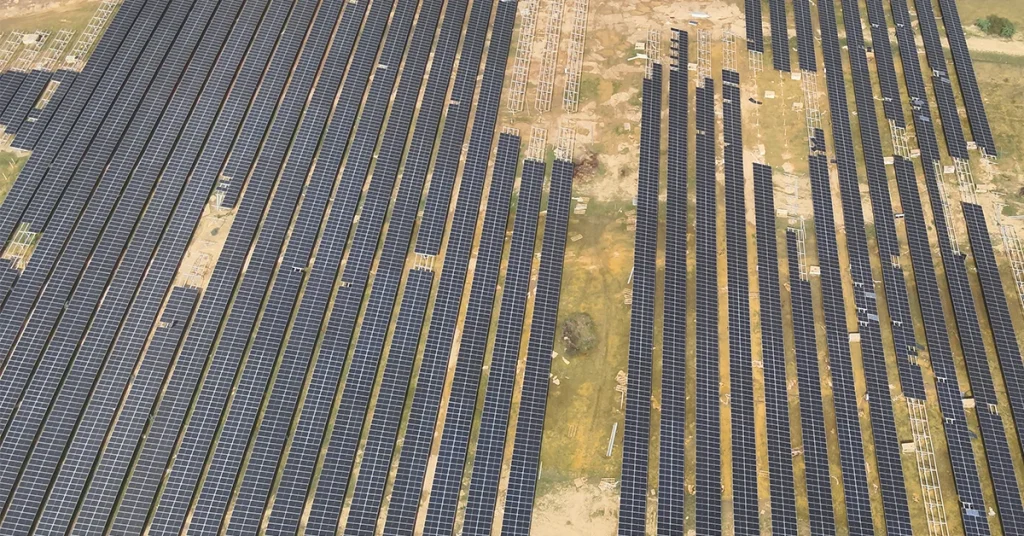
Lesoko is a specialist UAV inspection company providing DGCA-compliant Drone inspection services across India for solar energy, power infrastructure, oil and gas, and industrial sectors.
For solar energy asset owners, EPC contractors, IPPs, and O&M service providers, Lesoko delivers:
Full-Spectrum Solar Energy Inspection: Thermal, RGB, and multispectral aerial surveys for rooftop solar, ground-mounted utility plants, and solar park portfolios — from 100 kW commercial systems to 100+ MW utility-scale assets.
PAN-India Coverage: Active operations across Chennai, Mumbai, Pune, Hyderabad, Bengaluru, Ahmedabad, Jaipur, Delhi NCR, Bhubaneswar, and remote solar energy plant locations across Rajasthan, Gujarat, Andhra Pradesh, Karnataka, Maharashtra, and Telangana.
Bankable, Lender-Grade Reports Georeferenced outputs structured to meet lender technical advisor standards, insurance surveyor requirements, and asset management platform integrations.
End-to-End DGCA Compliance Certified remote pilots, UIN-registered drones, commercial insurance, and Digital Sky Platform clearances managed entirely by Lesoko zero regulatory burden on your team.
Flexible Engagement Models: One-time commissioning surveys, periodic O&M inspection cycles, and annual inspection programmes for large multi-site solar energy portfolios across India.
Whether you manage a 500 kW industrial rooftop solar energy system in Chennai or a 150 MW ground-mount park in Rajasthan, Lesoko brings the same data rigour and operational reliability to every inspection.
👉 Learn more about Lesoko’s solar energy inspection services: lesoko.in/solar-inspection
Frequently Asked Questions
What is solar energy drone inspection, and why does it matter in India?
Solar energy drone inspection uses UAVs equipped with thermal and visual cameras to survey solar panels and detect faults — hotspots, cell failures, soiling patterns, and physical damage — across entire plants in a fraction of the time ground teams require. In India, where solar energy plants range from remote desert installations to dense urban rooftops, drone inspection is increasingly the only practical way to maintain inspection frequency at scale.
How much does drone inspection for a solar energy plant cost in India?
Pricing depends on plant size, location, and report scope. Most professional providers price per MW, with volume discounts for larger portfolios. Contact Lesoko directly for a site-specific quotation based on your solar energy asset profile.
How frequently should a solar energy plant be inspected by a drone?
Industry best practice for solar energy O&M recommends at least one comprehensive drone inspection annually, with semi-annual surveys for plants in high-dust environments (Rajasthan, Gujarat) or high-value assets. Post-monsoon inspections are particularly valuable for catching damage from weather events.
Can drone inspection replace all other solar energy maintenance checks?
No — and it shouldn’t. Drone inspection excels at rapid, large-area detection of thermal and visual anomalies. It works best as part of a broader solar energy O&M programme that includes periodic IV curve tracing, electrical testing, and SCADA analysis. Think of it as the first filter in a tiered inspection framework.
Is drone inspection data accepted by solar energy project lenders and insurers in India?
Reports from DGCA-compliant operators using calibrated sensors are generally accepted by lenders’ technical advisors and insurance surveyors. Always confirm your insurer’s documentation requirements before scheduling an inspection.
What irradiance conditions are needed for solar energy thermal drone inspection?
Effective thermal inspection of solar energy panels requires stable irradiance above 600 W/m² with minimal cloud cover. In most of India outside the monsoon window, suitable conditions are available for most of the year, making inspection scheduling straightforward in the peak October–May period.
India’s solar energy sector has achieved something genuinely remarkable — building one of the world’s largest renewable energy programmes in less than a decade. But the next challenge isn’t building more capacity. It’s protecting what’s already been built.
Every megawatt of solar energy capacity in India represents capital deployed, carbon avoided, and energy that should be reaching the grid. Undetected faults, underperforming strings, and thermal anomalies silently erode the return every day they go unfound.
Drone inspection doesn’t just find those faults faster. It finds them comprehensively, repeatedly, and with data quality that holds up to lender scrutiny, insurance review, and the demands of professional asset management. If you manage solar energy assets in India. The question isn’t whether drone inspection is worth it. It’s how much longer undetected faults are worth ignoring.
Partner with Lesoko for DGCA-compliant, PAN-India drone inspection for your solar energy portfolio. Get in touch →