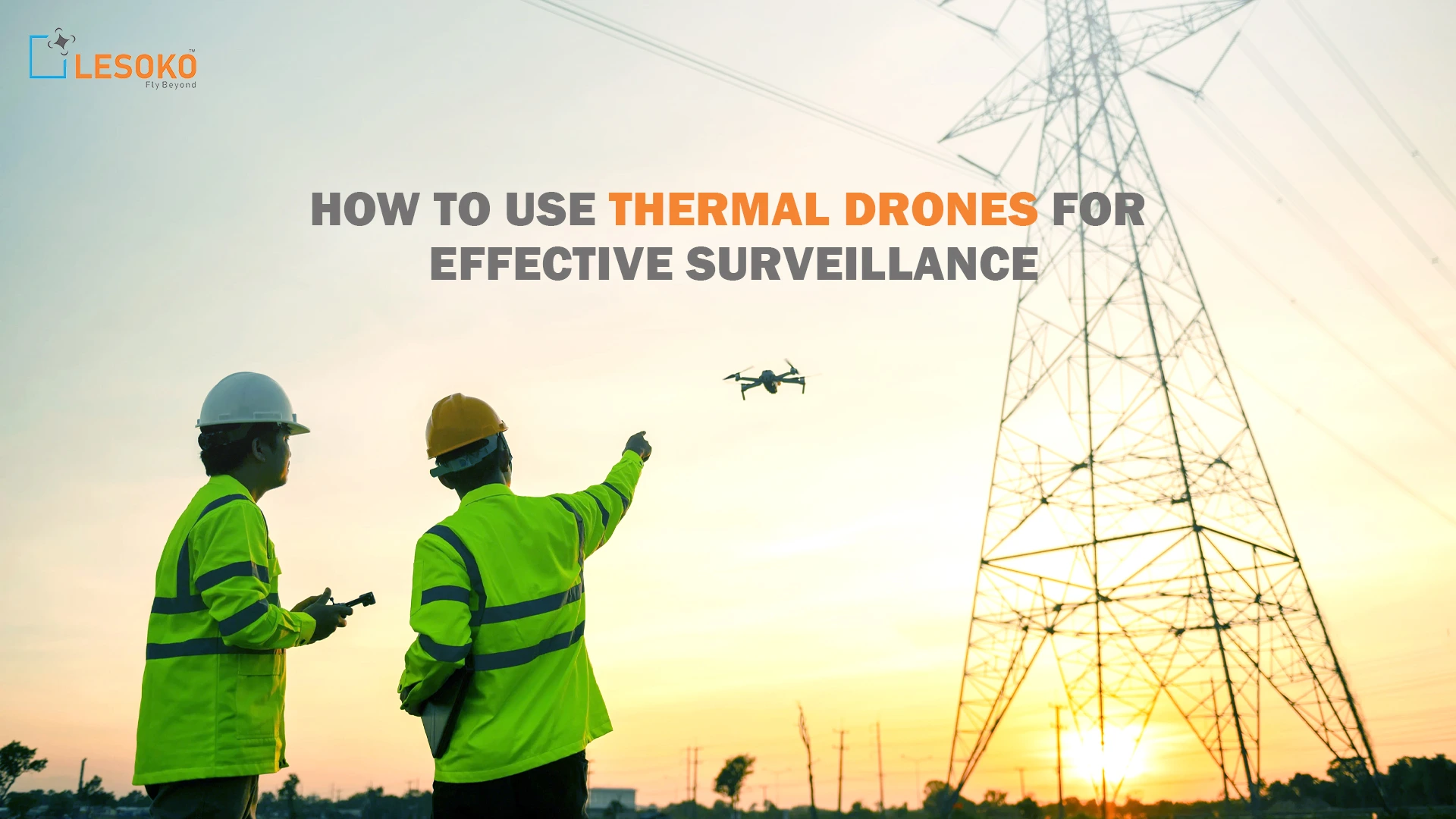
Did you know that unplanned transmission failures cost utilities millions annually in repairs and downtime? In India’s rapidly expanding power infrastructure, Thermal Drone Technology is transforming how utilities approach transmission line tower inspection and preventive maintenance. Traditional inspection methods—manual climbing or helicopter surveys—are risky, time-consuming, and expensive. Even worse, minor defects like overheating connectors or cracked insulators often go unnoticed until they trigger major outages.
This is where Thermal Drone Technology changes the game. By combining high-resolution infrared imaging, AI-based analytics, and DGCA-compliant UAV operations, utilities can detect faults early, improve safety, and significantly reduce operational costs. I’ll share practical field insights, industry best practices, and regulatory considerations based on real-world transmission projects across India—helping you understand how to deploy drone-based inspection systems effectively and responsibly.
How is Thermal Drone Technology Used in Transmission Line Tower Inspection?
Having led multiple transmission line audits across Maharashtra and Gujarat, I’ve seen firsthand how thermal drone technology has transformed grid surveillance. Traditional inspections required shutdowns, tower climbing, and significant manpower. Today, UAV-based inspections allow us to scan energized lines safely and efficiently.
In practical terms, thermal drone technology integrates infrared cameras—such as those developed by FLIR Systems—with industrial drones like DJI platforms. During inspection flights, we capture thermal signatures of conductors, insulators, jumpers, and connectors. Abnormal heat patterns often indicate resistance issues, corrosion, or loose fittings.
From my field experience, early hotspot detection prevents transformer failures and unplanned outages. Following standards aligned with Central Electricity Authority guidelines ensures inspection reports meet compliance requirements. For Indian utilities operating under Power Grid Corporation of India Limited frameworks, combining RGB and thermal imaging offers complete defect mapping.
When deploying thermal drone technology, always ensure proper flight planning, DGCA permissions, and calibrated sensors. Accurate emissivity settings and weather consideration significantly impact thermal accuracy. Done right, drone surveillance reduces downtime by up to 40% compared to manual inspection methods.
What Are the Benefits of Drone-Based Transmission Line Inspection in India?
Working across remote terrain in Rajasthan and hilly regions in Himachal Pradesh, I’ve observed how thermal drone technology delivers measurable operational benefits.
First, safety improves dramatically. Climbing 60-meter towers exposes technicians to fall hazards and electrical risks. Drone-based inspection eliminates most human exposure. Second, inspection speed increases. A single UAV team can survey 15–20 km of line per day, depending on terrain. With thermal drone technology, utilities detect thermal anomalies without de-energizing lines. This is critical in India, where grid demand continues to rise. Drones equipped with infrared cameras compliant with International Organization for Standardization standards provide consistent data quality.
Cost efficiency is another advantage. Although initial drone deployment requires investment, long-term savings from reduced shutdowns, fewer emergency repairs, and predictive maintenance outweigh costs. Based on my experience, integrating thermal drone technology with GIS mapping enhances asset management. Data can be shared directly with maintenance teams, improving turnaround time.
For Indian power utilities, adopting drone inspection aligns with digital transformation initiatives and smart grid modernization efforts. The result is safer, faster, and more reliable transmission network management.
Which Sensors Are Best for Transmission Line Tower Inspection Using Drones?
Selecting the right payload determines inspection success. In my projects, I prioritize dual-sensor systems—high-resolution RGB combined with radiometric thermal cameras.
For thermal drone technology, radiometric cameras allow precise temperature measurement rather than simple heat visualization. Brands aligned with industrial standards, such as FLIR Systems, offer calibrated thermal modules that integrate seamlessly with enterprise UAVs.
Zoom capability is equally critical. Insulator cracks and corrosion require optical zoom of at least 20x. LiDAR sensors can complement thermal drone technology for vegetation encroachment analysis. Environmental conditions in India—dust, humidity, high temperatures—demand IP-rated sensors. From experience, substandard cameras lead to inaccurate thermal readings and compliance issues. When operating under DGCA norms, ensure the drone platform supports geo-fencing and RTK positioning for precision mapping.
In high-voltage environments, EMI resistance and stable gimbal systems improve image clarity. My recommendation: always conduct calibration tests before field deployment and verify temperature reference points for reliable diagnostics.
What Are DGCA Regulations for Drone Inspection of Power Lines in India?
Regulatory compliance is non-negotiable. In India, drone operations fall under the Directorate General of Civil Aviation Drone Rules 2021. Before deploying thermal drone technology, operators must obtain a Remote Pilot Certificate and ensure the drone is registered on the Digital Sky platform. For power line inspection, most operations fall under the “Green Zone” category unless near airports or restricted areas.
From my operational experience, coordination with local authorities prevents last-minute flight cancellations. Insurance coverage and flight logs must be maintained for audit purposes. Transmission utilities collaborating with Power Grid Corporation of India Limited typically require documented SOPs and risk assessments.
Using thermal drone technology responsibly means respecting privacy laws, ensuring data security, and maintaining safe distance from energized conductors. Failure to comply with DGCA guidelines can result in penalties or project suspension. Proper documentation and adherence to national aviation safety standards build operational credibility and long-term trust with stakeholders.
How Accurate Is Thermal Imaging for Detecting Faults in Transmission Towers?
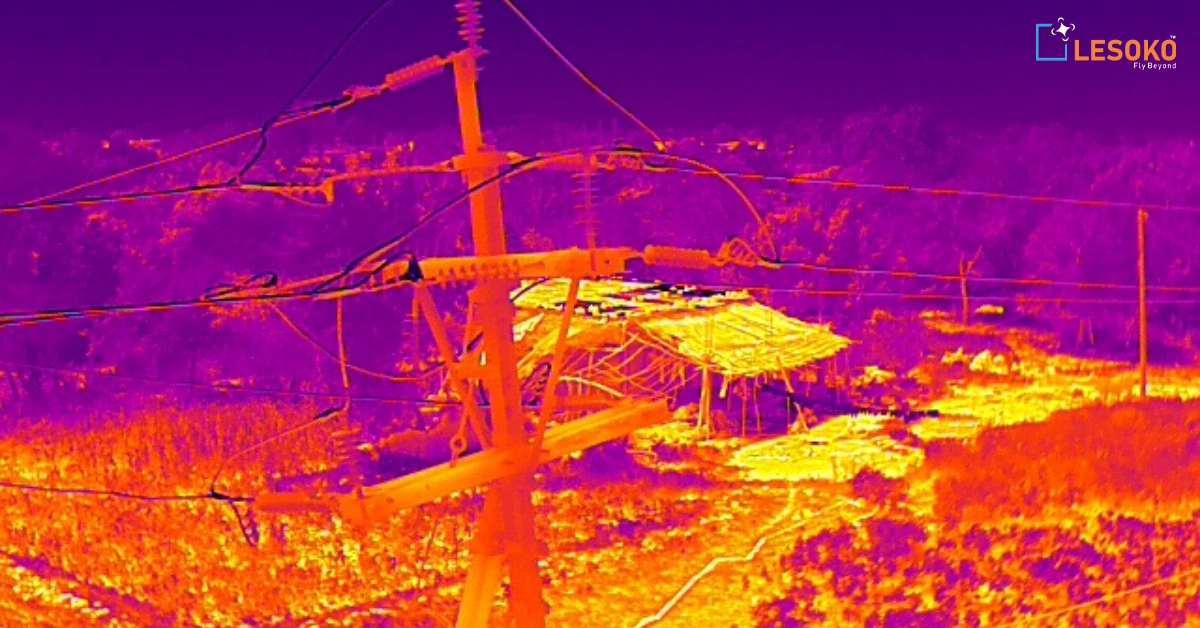
In my field deployments across 132kV and 400kV corridors, I’ve learned that the accuracy of thermal drone technology depends heavily on calibration, weather conditions, and operator expertise. When properly configured, radiometric thermal cameras can detect temperature differences as small as ±2°C, which is sufficient to identify early-stage faults.
Using platforms integrated with sensors from FLIR Systems, we routinely identify overheating compression joints, damaged insulators, and conductor strand issues before they escalate. However, emissivity settings must be correctly adjusted. Aluminum conductors, for example, reflect heat differently than ceramic insulators.
According to best practices referenced by the International Organization for Standardization, inspections should ideally be conducted during stable load conditions for consistent readings.
From experience, thermal drone technology is highly reliable when combined with visual inspection and historical load data. It is not a standalone diagnostic tool but part of a predictive maintenance ecosystem. Environmental factors like wind speed and direct sunlight can affect readings, so trained interpretation is essential. When executed correctly, thermal inspections reduce unexpected failures and improve grid reliability significantly.
What Are the Safety Advantages of Using Drones for High-Voltage Line Inspection?
Having supervised tower climbing operations early in my career, I can confidently say that thermal drone technology has dramatically improved safety standards in transmission inspection.
Traditionally, technicians climbed live or recently de-energized towers—often over 50 meters tall. This posed risks of falls, electric shock, and structural instability. Drone-based inspections eliminate most of these hazards. Following guidance aligned with the Central Electricity Authority, utilities increasingly prioritize non-contact inspection methods. With thermal drone technology, inspections can be performed from safe standoff distances while capturing high-resolution thermal and optical data. Additionally, drones reduce the need for line shutdowns, minimizing operational risks and ensuring uninterrupted power supply—critical in high-demand regions.
From a practical standpoint, field teams experience lower fatigue and fewer exposure hours in hazardous environments. Insurance risks and worker compensation claims also decrease. However, safe drone operations still require adherence to Directorate General of Civil Aviation guidelines and structured SOPs.
In my experience, the shift to drone inspection has reduced safety incidents substantially, making it a responsible and forward-thinking approach for Indian utilities.
How Much Does Transmission Line Tower Inspection with Drone Cost in India?
Cost is one of the most common questions I receive from utility managers. The pricing for inspections using thermal drone technology varies depending on terrain, voltage level, and project scale. In India, costs typically include drone deployment, pilot fees, data processing, reporting, and compliance documentation. Industrial-grade drones from manufacturers like DJI with thermal payloads represent a significant upfront investment.
From my project budgeting experience, per-kilometer inspection costs decrease significantly for longer corridors. Compared to manual climbing and helicopter surveys, thermal drone technology is generally more cost-effective over time due to reduced manpower, faster deployment, and minimal shutdown losses. Utilities working with Power Grid Corporation of India Limited often integrate drone inspection into annual maintenance contracts, optimizing overall asset lifecycle management.
It’s important to clarify that while drones reduce operational costs, quality should not be compromised for lower bids. Proper reporting, calibrated sensors, and certified pilots justify professional pricing. In my experience, long-term ROI is achieved through preventive maintenance savings and avoided emergency repair expenses.
What Are the Common Defects Detected During Drone-Based Tower Inspections?
Over hundreds of inspection hours, I’ve consistently identified recurring defect patterns using thermal drone technology.
The most common issue is hotspot formation at jumper connections due to loose fittings or corrosion. Thermal imaging clearly reveals abnormal heating compared to adjacent components.
We also detect cracked or contaminated insulators, rusted tower members, bird nesting interference, and conductor strand damage. Visual cameras capture structural deterioration, while thermal drone technology highlights electrical resistance problems invisible to the naked eye. Best practices referenced by the International Organization for Standardization emphasize documenting thermal differentials and correlating them with load data for accurate diagnosis.
In projects aligned with Central Electricity Authority compliance requirements, defect categorization must follow severity grading standards. From hands-on experience, early detection of minor temperature anomalies often prevents transformer trips and major outages.
Thermal inspections, when combined with predictive analytics, strengthen preventive maintenance strategies and enhance transmission reliability across India’s growing power infrastructure.
How to Choose the Right Drone for Transmission Line Inspection Projects
Choosing the correct UAV platform is critical for maximizing the benefits of thermal drone technology.
1. Key Evaluation Factors
From procurement experience, five key factors should be evaluated:
Payload compatibility
Flight time
Wind resistance
RTK positioning
Thermal resolution
Enterprise-grade drones from DJI offer stable platforms for industrial inspections. The ability to integrate high-quality sensors from FLIR Systems enhances diagnostic accuracy.
2. Flight Time and Battery Endurance
Battery endurance should support at least 30–40 minutes of flight time per sortie.
In India’s hot climate, thermal management is crucial for both drone electronics and imaging sensors.
3. Regulatory Compliance
Ensure compliance with Directorate General of Civil Aviation regulations, including NPNT (No Permission No Takeoff) requirements.
4. Wind Resistance and Stability
From practical field lessons, underpowered drones struggle in high-wind conditions near transmission corridors.
Stability directly impacts image clarity.
What Is the Future of AI-Powered Thermal Drone Inspection in the Power Sector?
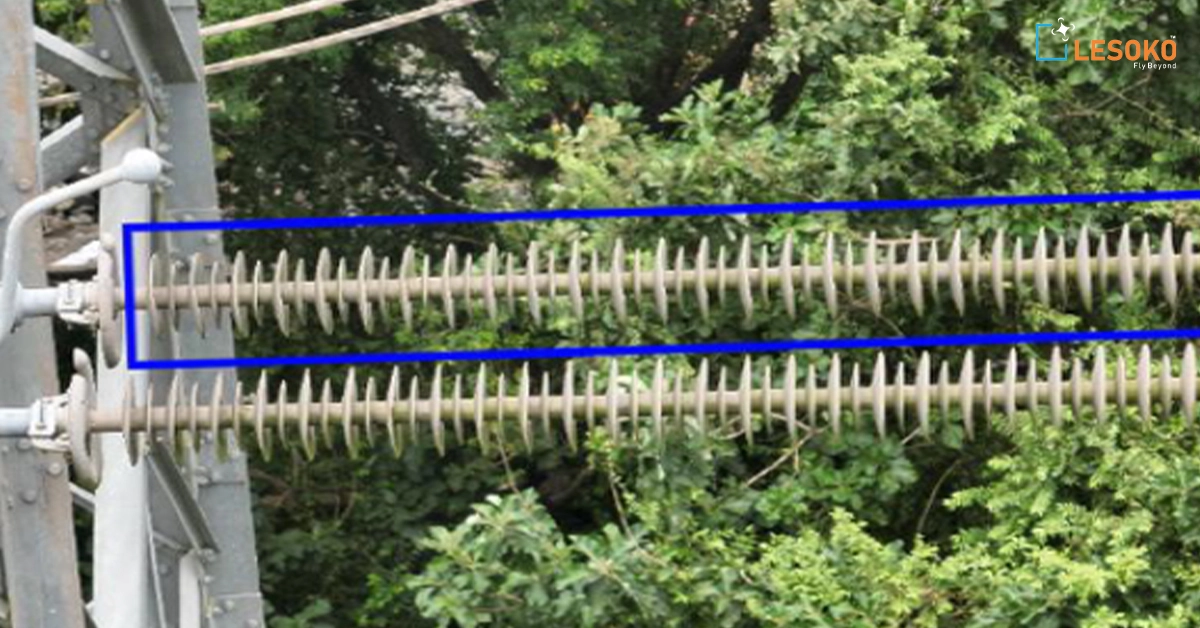
The future of thermal drone technology lies in artificial intelligence and predictive analytics. In recent pilot programs I’ve supported, AI-based software automatically flags thermal anomalies and categorizes defects. Utilities like Power Grid Corporation of India Limited are exploring digital twins and automated inspection workflows. By combining AI with thermal drone technology, inspection cycles become faster and more data-driven. Machine learning algorithms analyze historical inspection trends, predicting failure probability before critical thresholds are reached.
Global standards promoted by the International Organization for Standardization support structured data reporting frameworks, enabling interoperability. From my perspective, AI will not replace skilled engineers but will augment their decision-making capabilities. However, transparency in algorithms and validation testing remain essential for trust.
As India advances toward smart grid modernization, integrating AI with drone surveillance will become a standard practice—enhancing reliability, reducing downtime, and strengthening national power infrastructure resilience.
After years of working with transmission utilities and field inspection teams, I can confidently say that Thermal Drone Technology is not just a trend—it’s a long-term transformation in grid reliability and safety. When implemented with proper planning, regulatory compliance, and skilled data interpretation, it delivers measurable improvements in preventive maintenance and operational efficiency.
That said, every terrain, voltage level, and project scale presents unique challenges. I’d genuinely love to hear from engineers, drone pilots, utility managers, and technicians reading this—have you implemented drone-based transmission inspections? What challenges or lessons have you experienced in the field?
Share your thoughts, insights, or questions in the comments below. Your experience could help others make smarter, safer decisions.
Frequently Asked Questions (FAQ)
1. What is Thermal Drone Technology and how does it work in transmission inspection?
Thermal Drone Technology refers to the use of UAVs equipped with infrared cameras to detect heat variations in electrical components. During transmission line tower inspection, radiometric thermal sensors capture temperature differences in connectors, insulators, and conductors. Abnormal heat signatures often indicate resistance buildup, corrosion, or loose fittings. When combined with RGB imaging and GIS mapping, utilities gain a comprehensive diagnostic report. This predictive maintenance approach reduces unexpected outages and supports smart grid modernization in India.
2. Is Thermal Drone Technology safe for inspecting high-voltage power lines?
Yes, when operated according to DGCA regulations and safety SOPs, drone inspection is significantly safer than manual tower climbing. UAVs maintain safe standoff distances from energized conductors while capturing detailed thermal data. This reduces technician exposure to electrical hazards and fall risks. However, safe deployment requires trained remote pilots, EMI-resistant drone platforms, and proper risk assessment protocols.
3. How accurate is thermal imaging for detecting transmission faults?
Modern radiometric thermal cameras can detect minor temperature differences when properly calibrated. Accuracy depends on emissivity settings, weather conditions, and load stability. Thermal Drone Technology works best when inspections are conducted under consistent electrical load and minimal environmental interference. For optimal results, thermal findings should be validated with historical maintenance data and visual inspection.
4. What regulations apply to drone inspections in India?
Drone operations must comply with the Drone Rules 2021 issued by India’s aviation authority. Operators require a Remote Pilot Certificate, Digital Sky registration, and NPNT-compliant drones. Utilities must also maintain flight logs and insurance documentation. Regulatory compliance builds operational credibility and ensures uninterrupted project execution.
5. What common defects can Thermal Drone Technology detect?
Thermal drones commonly detect overheating jumpers, corroded connectors, cracked insulators, conductor strand damage, and structural corrosion. Infrared imaging reveals hotspots that are invisible to the naked eye. Early detection enables preventive maintenance, reducing costly emergency repairs and grid downtime.
6. How cost-effective is drone-based transmission inspection?
While enterprise-grade UAV systems require upfront investment, long-term operational savings are substantial. Drone inspections reduce shutdown time, manpower costs, and emergency maintenance expenses. Over large transmission corridors, per-kilometer inspection costs decrease significantly compared to manual or helicopter surveys.
7. What features should I look for in a transmission inspection drone?
Key features include radiometric thermal sensors, 20x optical zoom, RTK positioning, 30+ minute flight time, wind resistance, and DGCA compliance. Industrial-grade platforms ensure stable imaging and reliable performance in India’s harsh weather conditions.
8. What is the future of Thermal Drone Technology in India’s power sector?
The future lies in AI-powered analytics, automated anomaly detection, and integration with digital twin systems. As India advances toward smart grid infrastructure, Thermal Drone Technology will play a central role in predictive maintenance, asset lifecycle management, and grid reliability enhancement.