
Drone-Powered Power Line Inspection
33kV Transmission Line Inspection for Solar Projects
Independent engineering assessment with tower-wise thermal imaging, insulator defect analysis, and geo-tagged severity reports. Preventing outages before they cost you revenue.
106
Towers Inspected , Gondal
65%
Towers Needing Corrective Action
6
Days to Complete Full Inspection
30MW
Largest Solar Project Inspection Delivered
Why Transmission Inspection Matters
Undetected Defects = Revenue Loss
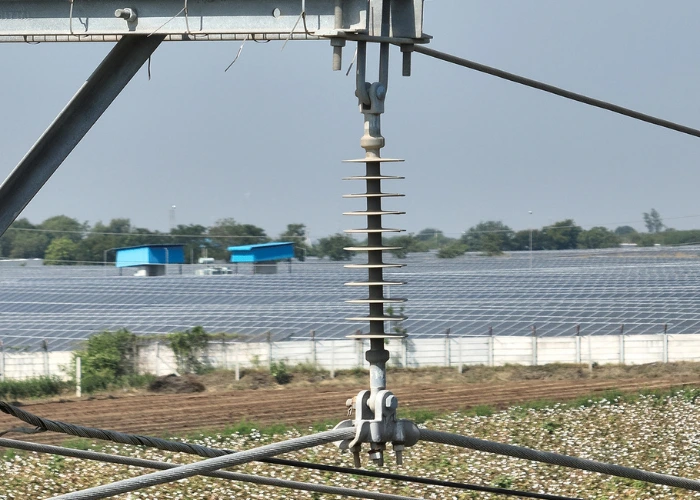
In utility-scale solar, your transmission infrastructure is as critical as your panels. A single unidentified fault in a 33kV evacuation line can trigger forced shutdown, financial penalty, and long-term asset degradation.
Thermal Hotspots Cause Flashover
Insulator Degradation Goes Unnoticed
Manual Inspection Misses Critical Data
Lenders & Off-takers Demand IE Reports
Understanding 33kV Transmission Line Inspection
What Does a 33kV Transmission Line Inspection Cover?
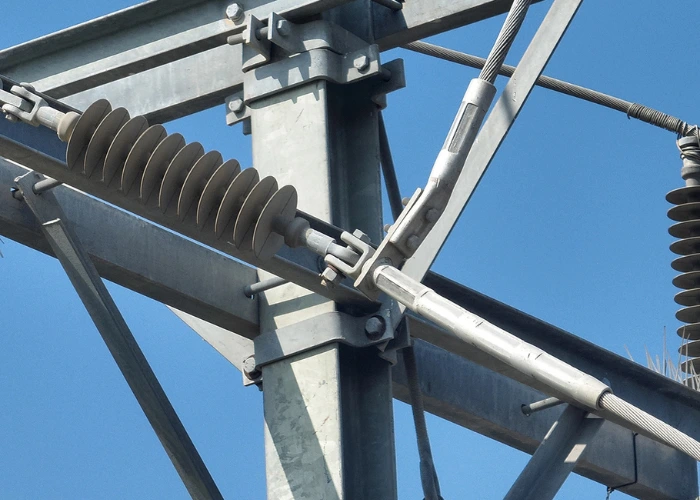
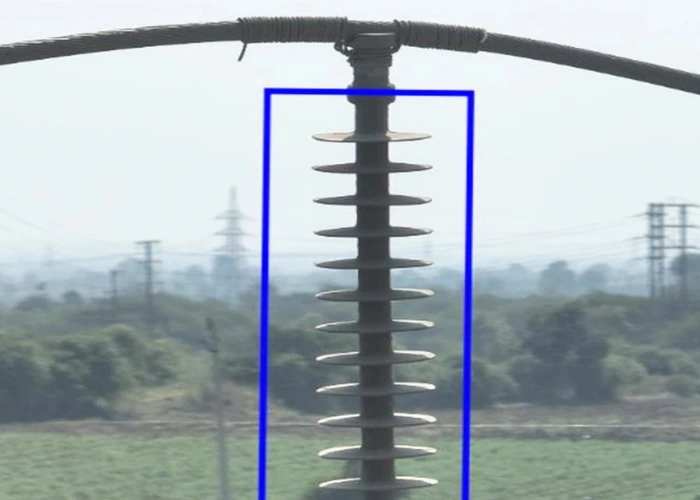
A comprehensive 33kV transmission line inspection covers the full evacuation corridor from the solar plant substation to the grid injection point. Every tower is assessed for insulator integrity, jumper connection thermal performance, structural member condition, grounding hardware, and bird guard placement. For solar evacuation lines, the inspection extends to the termination equipment and transformer bay connections where elevated fault risk is common.
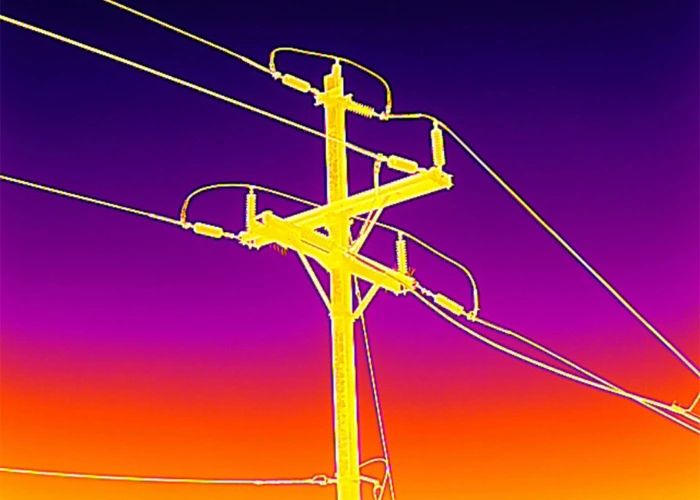
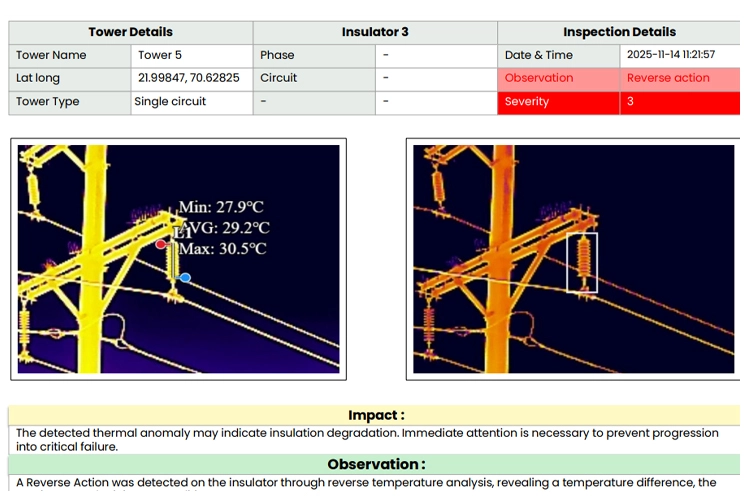
Modern drone-based inspection platforms capture high-resolution visual and infrared thermal data simultaneously, enabling engineers to assess conditions not visible to ground inspection teams. Thermal imaging is particularly critical in identifying reverse thermal variation in disc insulators — a precursor to insulation failure that appears months before physical degradation.
Drone vs. Manual 33kV Power Line Inspection in India
Traditional manual inspection of 33kV towers involves climbing teams with visual and hot-stick assessments. These methods are time-consuming, weather-dependent, and require line de-energisation for detailed work. Drone inspection eliminates all three constraints — operating on energised 33kV lines, covering 15–25 towers per day with standardised documentation, and producing geo-tagged, severity-classified reports within 21 days of mobilisation.
For Indian solar developers operating under tight PPA timelines and monsoon windows, drone inspection provides the operational advantage of rapid mobilisation, minimal site disruption, and report formats acceptable to lenders and grid operators alike.
What We Find in 33kV Line Inspections
Every defect is classified by severity, geo-tagged by tower number, and documented with thermal range analysis for actionable maintenance decisions.
Thermal Hotspots in Jumper Connections
Abnormal temperature concentration detected via IR imaging in conductor jumpers and bolted connections. Indicates high-resistance joints or loose hardware requiring immediate intervention. High-Resistance Joints Increase Fault Risk Loose connections under thermal load Risk of arc flash and forced outage Potential insulation breakdown
Mechanical Insulator Damage
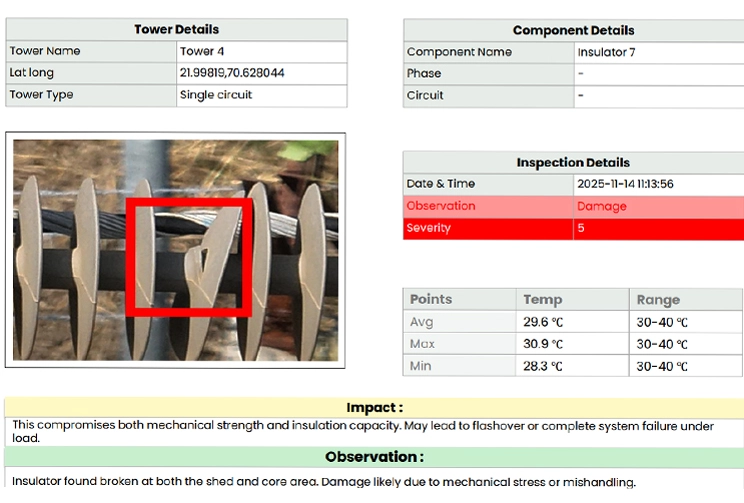
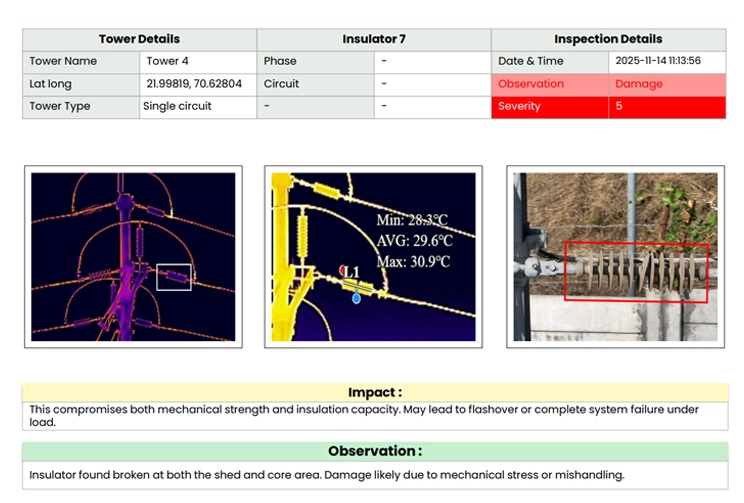
Physical cracking, shed breaks, or core fractures detected in suspension or strain insulators. Compromises both electrical insulation capacity and mechanical load-bearing strength. Reduced dielectric strength Increased tracking and flashover risk Structural failure under wind load Requires immediate physical replacement
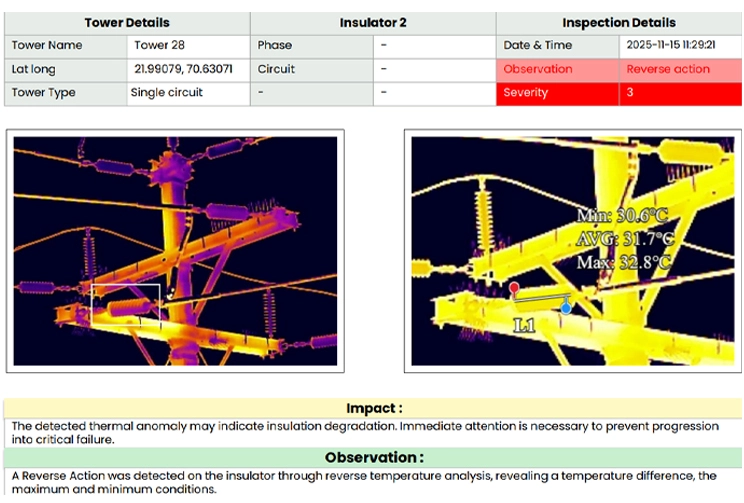
Reverse Thermal Variation in Insulators
Abnormal differential between min/max temperature across insulator surfaces — detected through comparative thermal mapping. Indicates early-stage degradation invisible to visual inspection. Early-stage insulation degradation Accelerated aging under load cycles Increased failure probability over time Addressable with planned maintenance
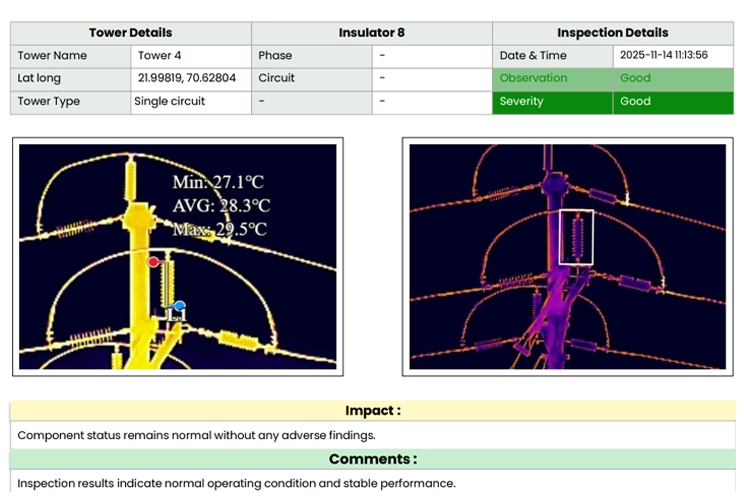
Normal Thermal Variation — Healthy Profile
Insulators and connections showing uniform thermal distribution within expected operating ranges. No corrective action required — documented for baseline reference in future inspections. Uniform temp distribution across insulators No anomalous hotspot signatures Structural integrity confirmed Baseline data archived for trend analysis
Structural Tower Anomalies
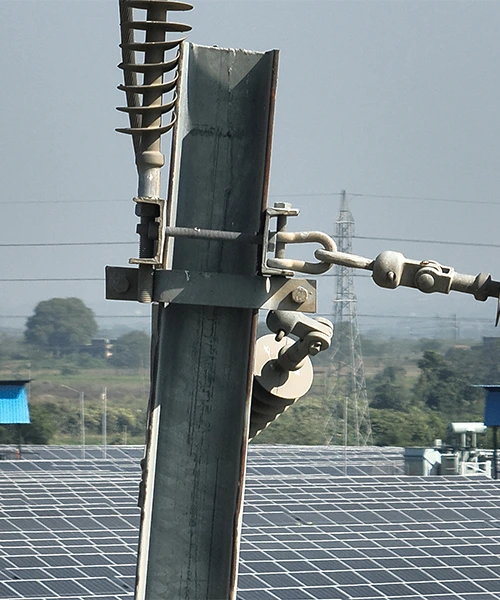
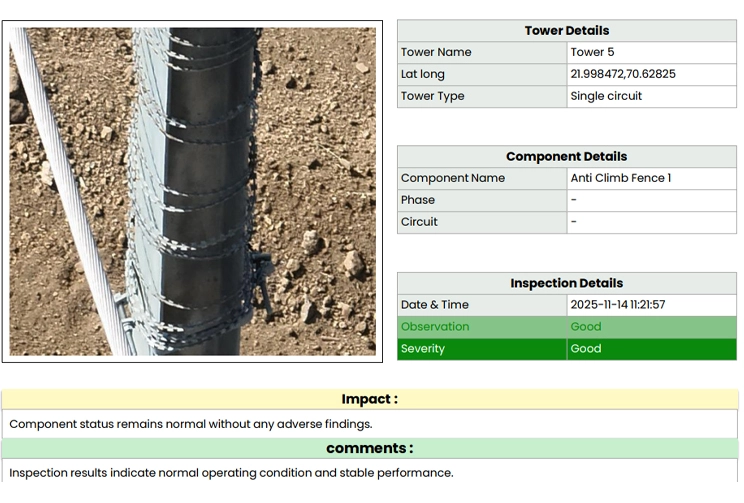
Corrosion, bent members, missing hardware, compromised anti-climb devices, or foundation exposure identified through close-range drone visual inspection at height. Corrosion on leg members and cross-arms Missing or damaged earthing hardware Bird guard condition and placement Anti-climb fencing integrity
Conductor & Hardware Irregularities
Strand breaks, vibration damper displacement, armour rod slippage, and loose suspension hardware identified at conductor-hardware interfaces across line spans. Vibration damper condition assessment Armour rod and binding condition Socket and clevis hardware integrity Span-wise sag assessment via imaging
Inspection Process
Our 33kV Inspection Methodology
A structured, repeatable 4-phase process delivering tower-level accountability for every component on your evacuation line.
Line Walk & Tower Indexing
Pre-inspection site survey to map all towers, identify access constraints, and assign GPS coordinates. Flight corridor compliance verified with DGCA-certified pilots.
Drone Visual Inspection — High Resolution
Each tower photographed from multiple angles using 48MP payloads. Structural members, hardware fittings, insulators, jumpers, and conductor attachments assessed visually.
Thermal Imaging — IR Thermography
Infrared camera captures temperature distribution across all insulator strings, jumper connections, and hardware fittings. Min/max/avg temperature ranges logged per component.
Defect Classification & Severity Mapping
Every anomaly classified as Good / Severity 3 (Preventive) / Severity 5 (Critical). Tower-by-tower defect matrix built with geo-tagged photographic evidence.
What You Receive
Tower-Wise Inspection Report
Component-level findings for every tower
Geo-Tagged Defect Map
GPS-coded anomaly locations for O&M teams
Thermal Analysis Tables
Min/avg/max temperature per insulator & jumper
Severity Classification Matrix
Good / Severity 3 / Severity 5 per component
Maintenance Recommendations
Prioritised action list for engineering & O&M
Client Dashboard Access
Secure portal · DGCA + ISO data security
Who We Serve
Transmission Inspection Across Sectors
Solar Power Plants
Wind Energy
DISCOMS & Utilities
EPC Contractors
We use high-resolution drones and advanced thermal imaging systems to capture precise, tower-level data that supports planning, engineering analysis, and transmission asset reliability.
Trusted By Industry leaders












Common Questions About Transmission Inspection
A structured assessment of 33kV high-voltage power line infrastructure — towers, insulators, jumpers, conductors and hardware — using drone visual and IR thermal imaging to identify defects, hotspots, and structural risks before they cause outages or financial loss.
Drones equipped with 48MP visual and IR thermal cameras capture tower-level data at height with zero line shutdown, in 60–70% less time than manual climbing teams. They deliver repeatable, geo-tagged data with quantified severity classifications that manual inspection cannot match.
Any solar project above 1 MW with a dedicated 33kV or higher evacuation line requires periodic inspection — especially before monsoon, post-commissioning, for PPA compliance reviews, lender due diligence, and annual O&M planning cycles.
Yes. Drone-based 33kV inspection is conducted on energised lines. No shutdown is required — a key advantage over conventional climbing teams. Our pilots operate under DGCA-certified protocols for live HT line proximity flying
Pricing depends on the number of towers, line length, terrain, and reporting scope. Lesoko provides custom project-based quotes. Contact us for a free scoping call and estimate tailored to your project.
Thermal hotspot detection uses infrared (IR) thermography to identify abnormal temperature concentrations in conductor joints, insulator strings, and hardware. Hotspots indicate high resistance or loose connections that, if left unaddressed, lead to arc flash or line failure.
Field inspection of 100+ towers typically takes 5–7 working days. Full report delivery including thermal analysis tables, severity mapping, and maintenance recommendations is provided within 21 days of fieldwork completion.
An IE report is a third-party technical assessment of your transmission infrastructure, produced by a firm independent of the EPC or O&M contractor. Used for lender due diligence, insurance purposes, asset monetisation, and regulatory compliance in solar projects.
Get Your 33kV Line Inspected Before the Next Outage
Phone/ Whatsapp
+91 8767645321
Email Us
Sales@lesoko.in
Visit Us
Chennai · Trichy · Pan-India Operations