
13,000+ Rooftop
Surveyed
<1cm level
accuracy
6+ GW
Solar Rooftops Surveyed
500,000+
Safe flights
Data analytic
Solutions
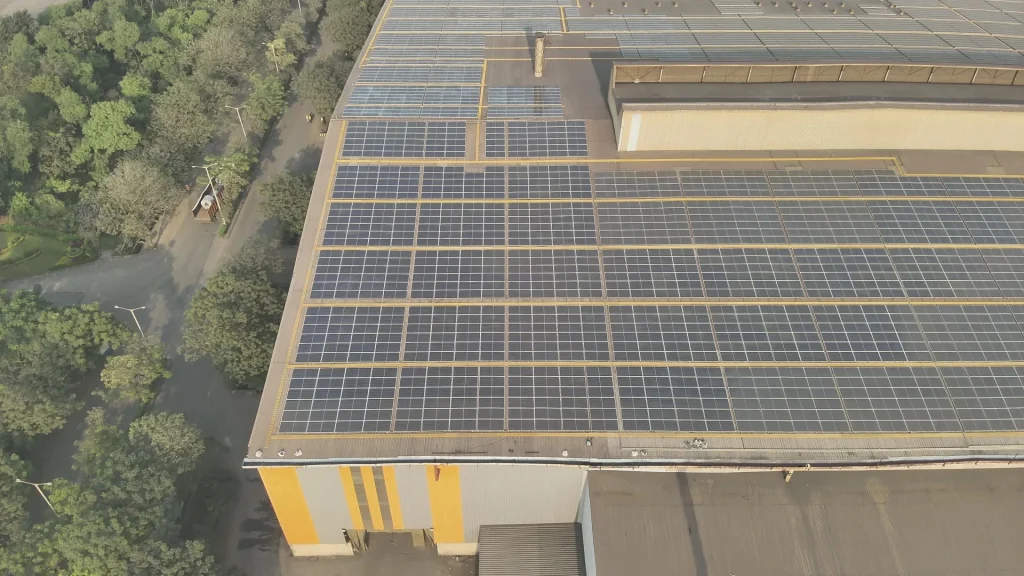
What is a solar rooftop survey?
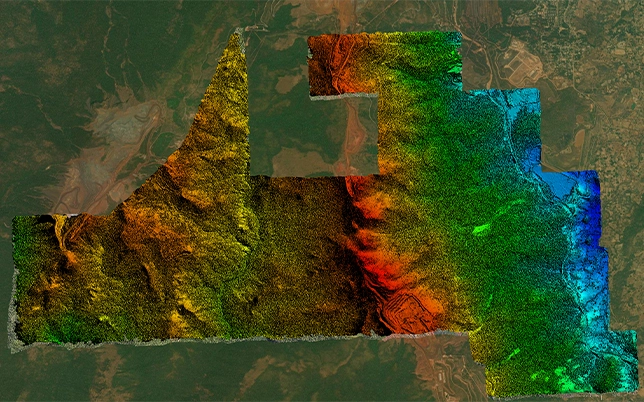
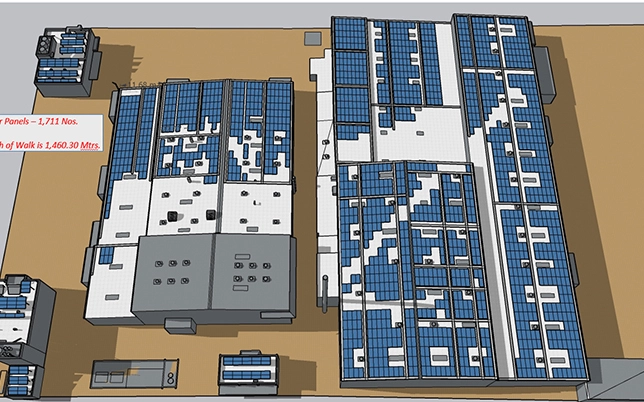
Using a high-resolution camera to look at a building’s roof, Solar Rooftop Survey produces precise data for contour maps, digital surface models, and 2D/3D models. The surveyor or the client can then see the project from a different angle through transforming these data points into 3D data.
Due to their high efficiency, drones can quickly survey large areas and reduce the need for manual labor. Because it can access difficult-to-reach places, it lowers the risks involved in having human workers complete these tasks.
Drone-based solar rooftop surveys are a practical and efficient way to ensure the longevity and peak performance of rooftop solar installations.
Why Solar Rooftop Surveys Matters
Solar installation needs correct information about the rooftop. Manual surveys are risky, take a lot of time, and can have mistakes. Our drone-based solar rooftop survey gives accurate measurements, identifies obstacles, and creates 3D views. This helps in better solar plant design, improves safety, and ensures good performance for a long time.
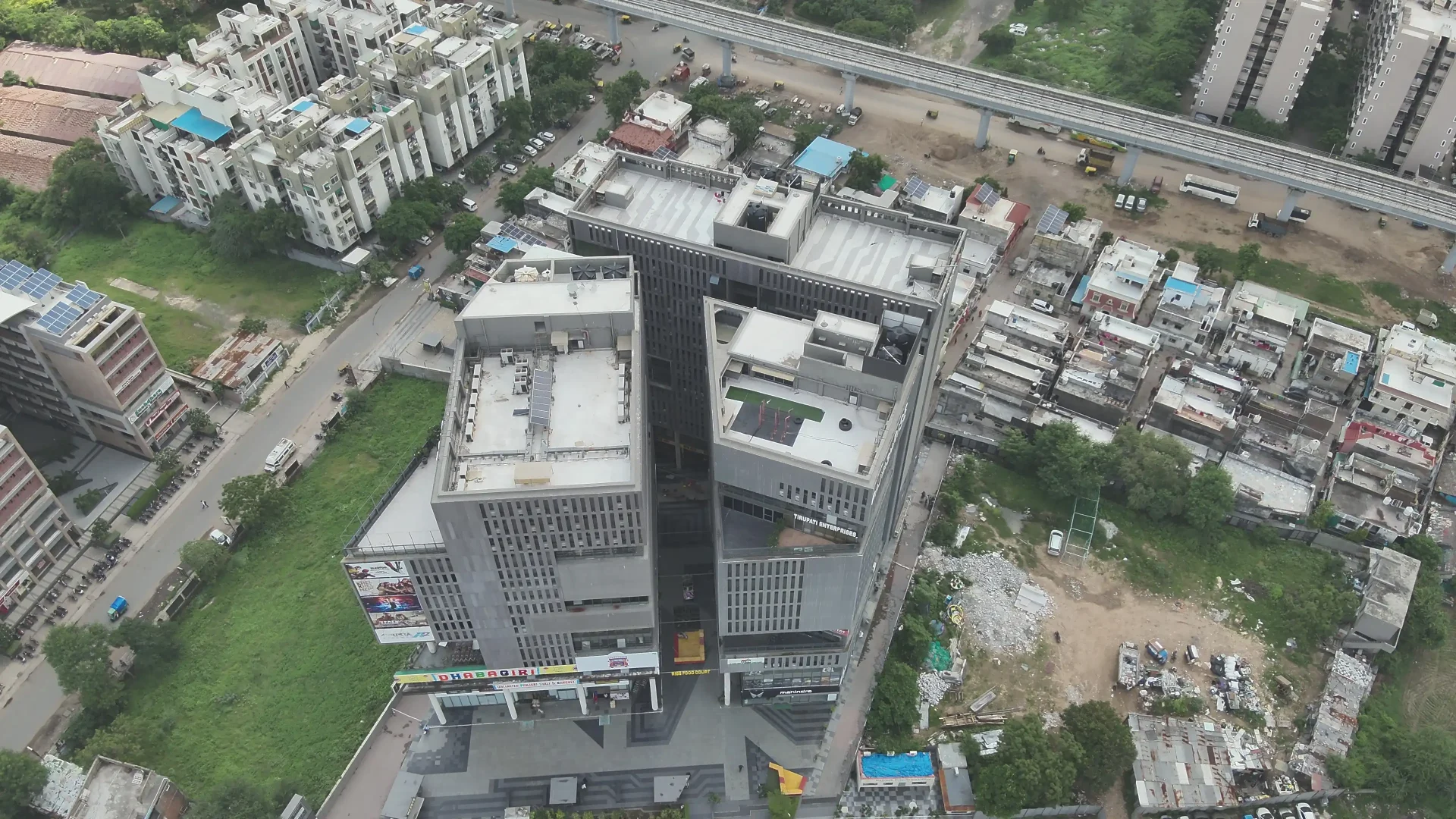
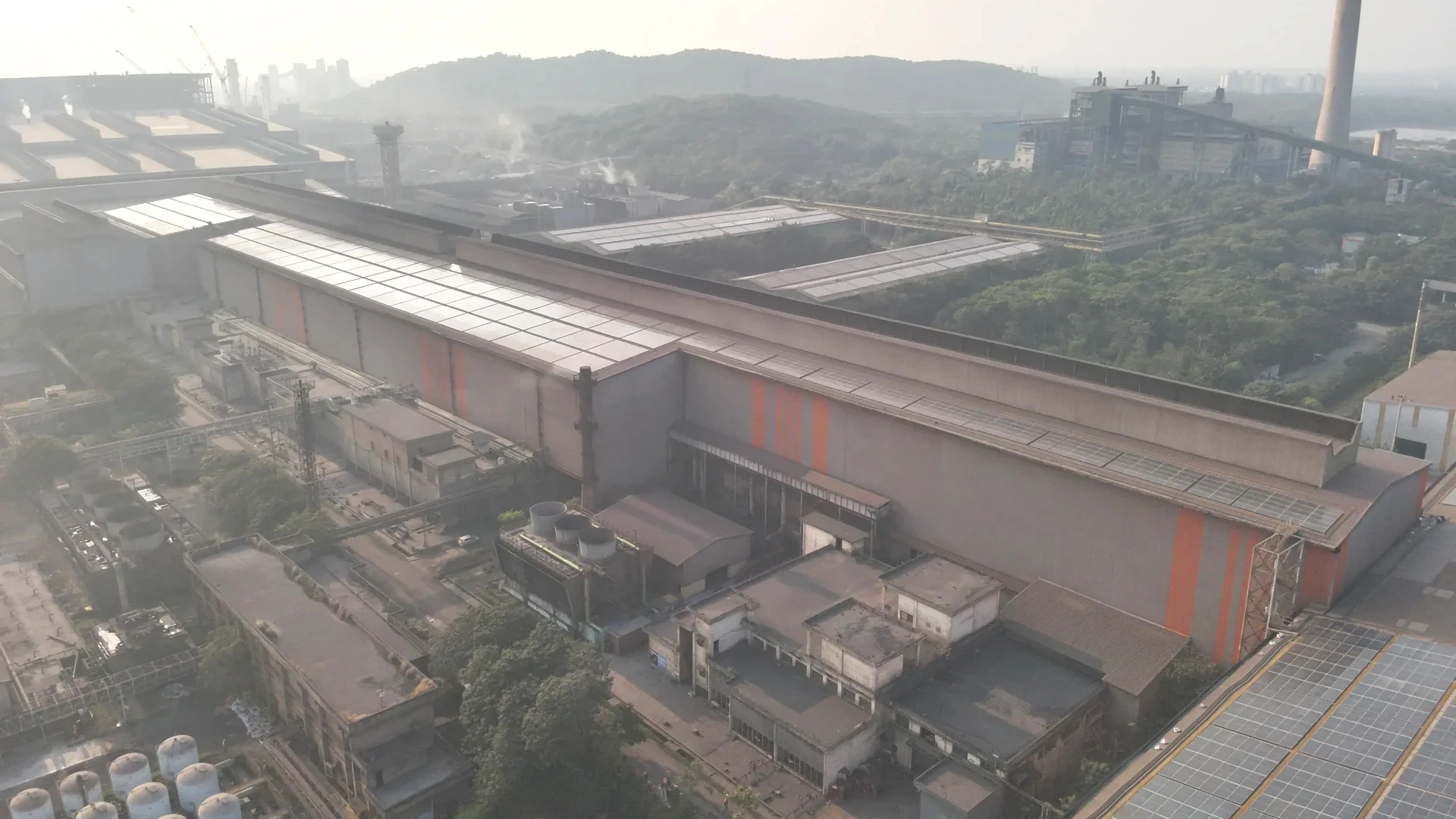
Why Use Drones for Solar Rooftop Surveys ?
Drones are extremely quick and effective. They can quickly survey large rooftops and reduce the need for manual labor. Additionally, drones can access dangerous and challenging locations, lowering worker risk. Drone-based solar rooftop surveys are therefore a clever, safe, and efficient way to make sure:
Better solar panel placement
High system performance
Long life of rooftop solar plants
Drone surveys help make solar projects accurate, safe, and reliable.
How Often Should Solar Panels Be Inspected?
At least once a year, solar panels should be inspected from above. They should be inspected more frequently in places where they are frequently used, where the weather is severe, or when the amount of power generated decreases. Artificial intelligence and machine learning-powered drones can identify issues early. Over time, this helps prevent damage and energy loss.
Who We Serve
- Solar EPC Companies
- Commercial & Industrial Rooftop Owners
- Infrastructure & Asset Management Firms
- Renewable Energy Developers
- Government & Utility Bodies
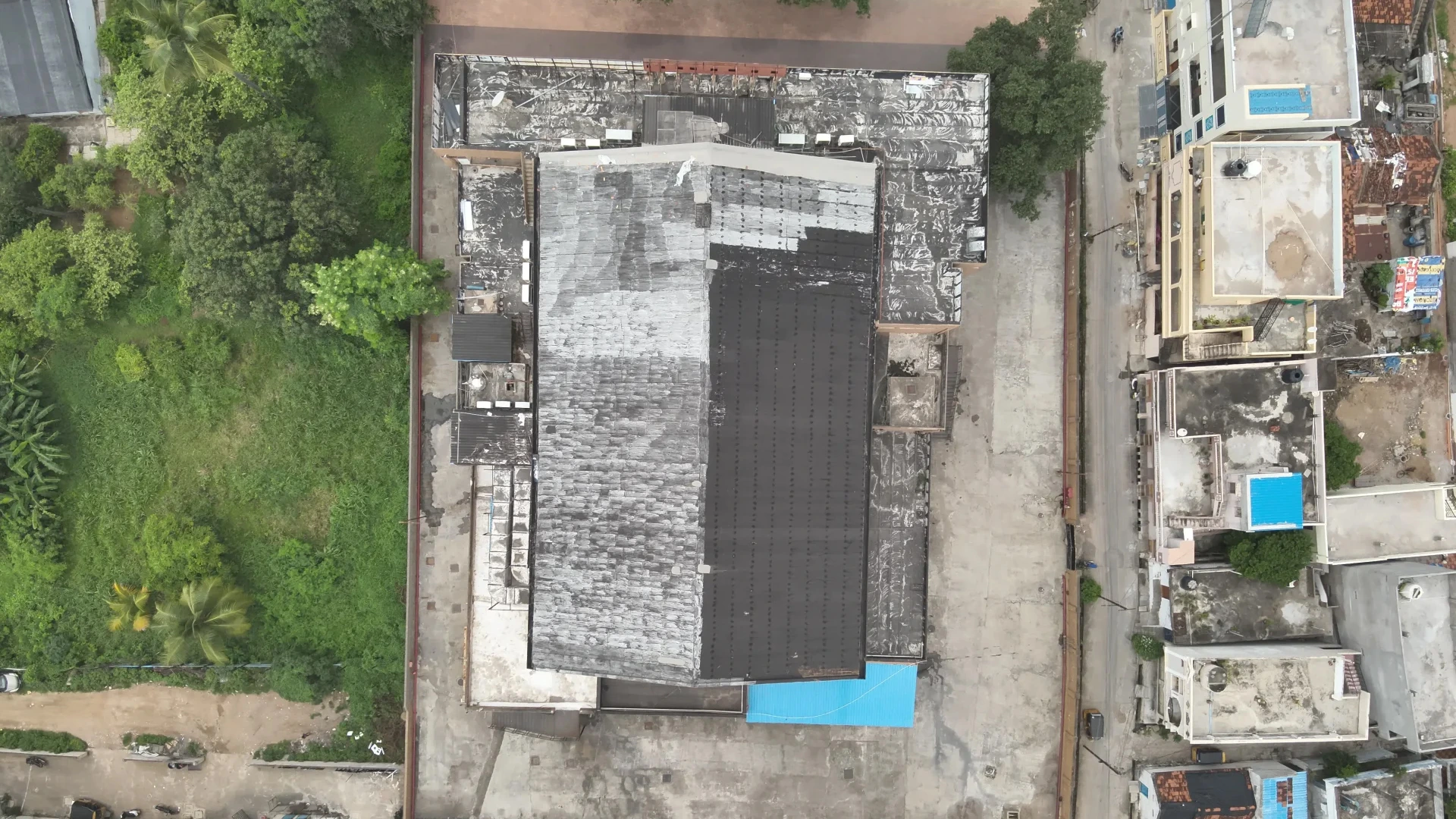
Problems We Solve Using Drones
Many solar projects face problems due to poor or manual surveys. Our drone survey helps solve these issues:
- Wrong rooftop measurements
- Manual roof inspections that are unsafe
- Design errors during solar installation
- Time delays in project planning
- Difficulty in reaching high or unsafe rooftops
Drone surveys simplify solar planning and minimize errors.
Site Planning
Rooftop size, structure, and project objectives all play a role in flight planning.
Data Processing & Analytics
Raw data is transformed into precise 2D and 3D models and reports through advanced processing.
Drone Data Capture
High-precision drones collect aerial data safely without physical access.
Final Report Delivery
Complete survey package delivered for solar design and execution.
Benefits of Solar panel Inspection

Precise Data
Drones collect accurate and clear data, which helps in better planning and analysis.

Time Efficient
Drone surveys take less time compared to traditional methods, helping projects move faster.

Cost Effective
Using drones reduces survey costs by saving time, labor, and equipment expenses.

Increased Safety
Drones reduce the need for workers to enter risky or difficult areas, making the work safer.

Data Analytics
Drone data can be analyzed to understand site conditions and improve decision-making.

Customizable Solutions
Drone surveys can be adjusted based on project needs, making them useful for different types of sites.
Our Solutions
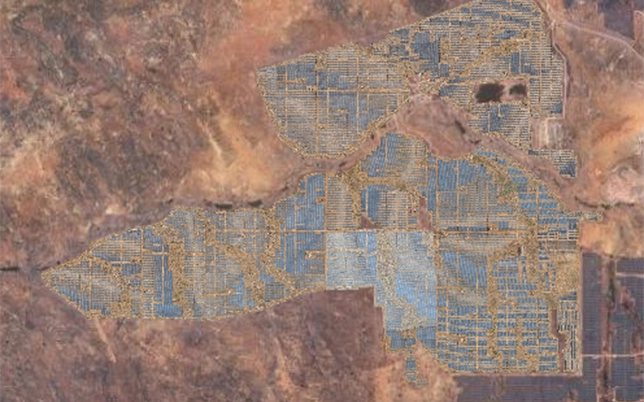
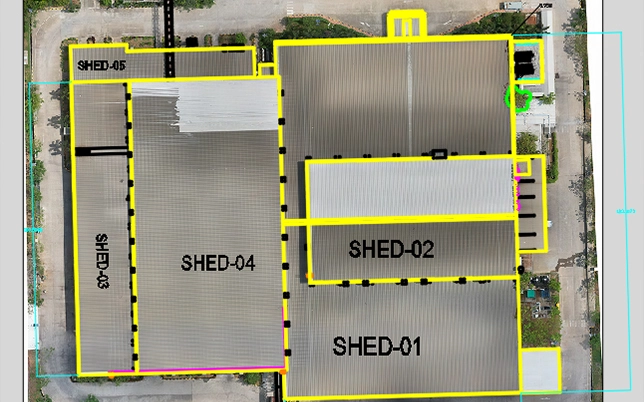
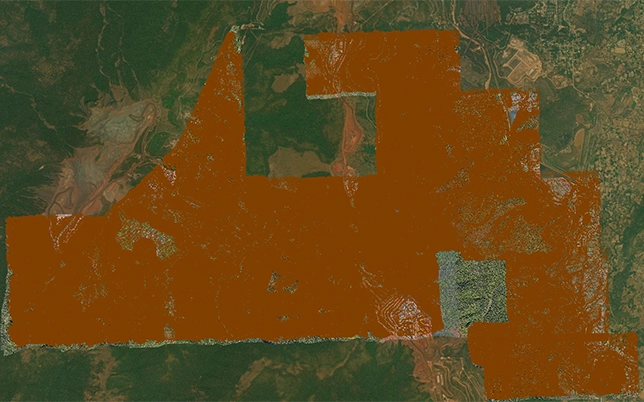
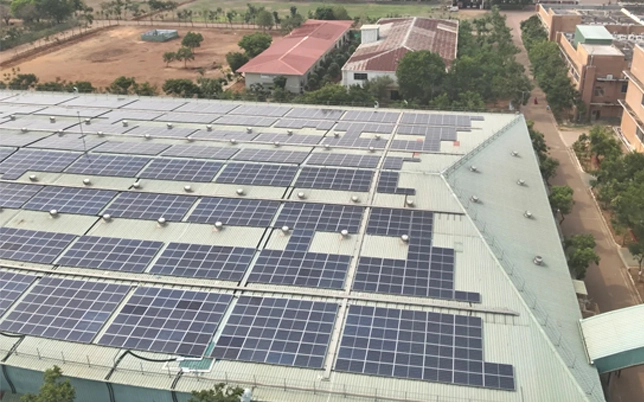
We use high-resolution drones to capture accurate rooftop data that supports planning, design, and Inspection of solar projects.
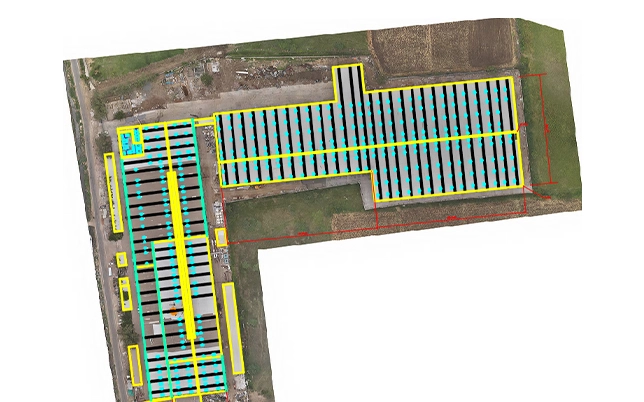
Our Deliverables
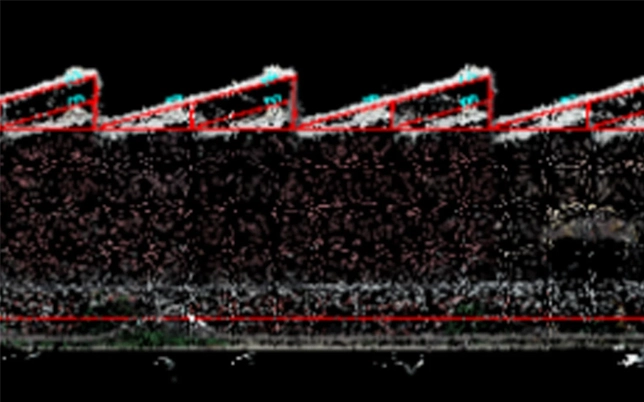
Some of our deliverables during the inspection include
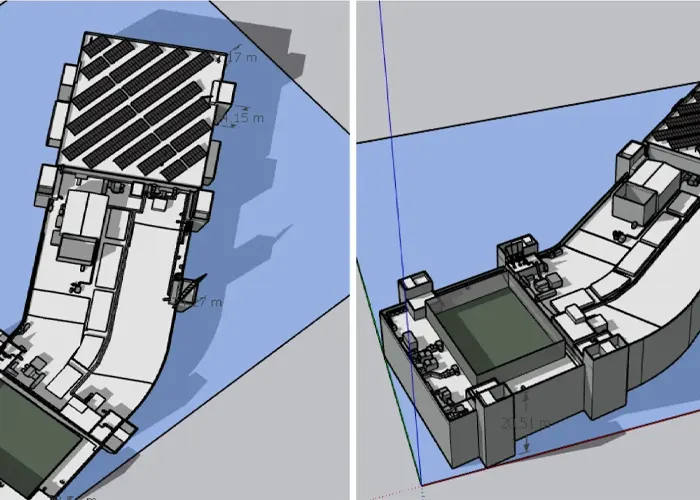
Building feasibility study
A detailed report that determines whether your structure is strong enough and shaped correctly to support solar panels.
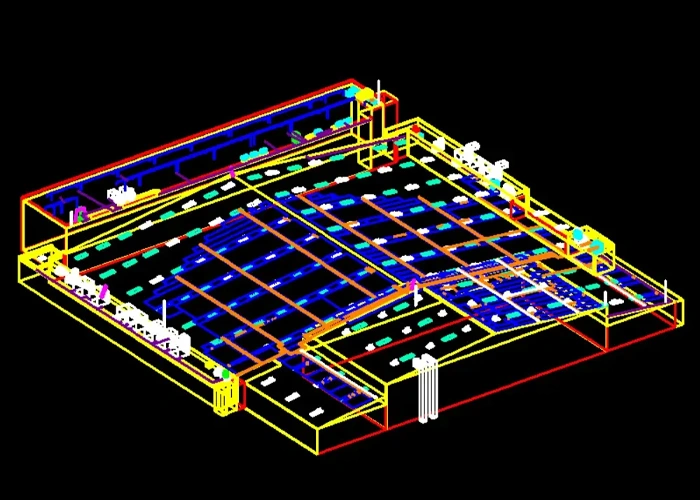
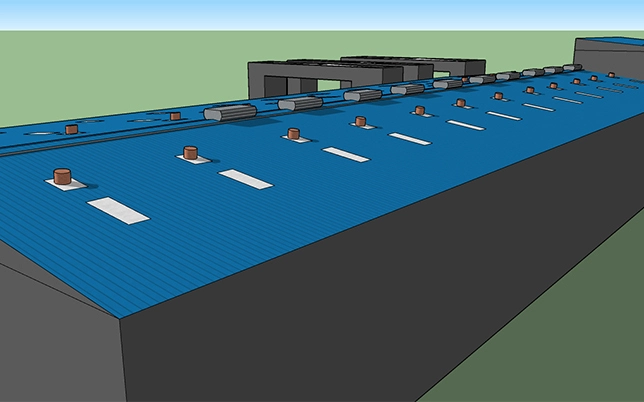
2D/3D drawings
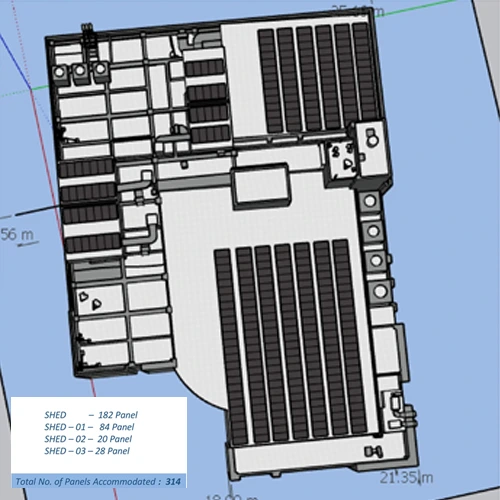
We make “digital maps” of your roof using drones. These assist engineers in precisely planning the work by displaying the locations of every beam and support.
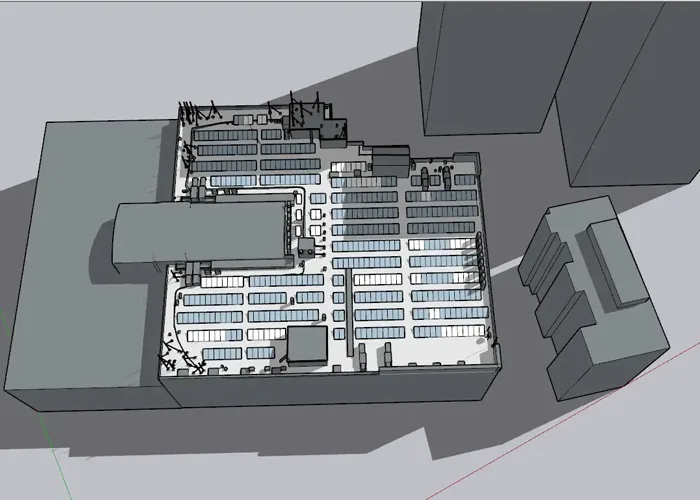
Shadow analysis
To determine where shadows fall on your roof at various times of the day, we use computers. This enables us to position the panels where they will generate the greatest amount of electricity.
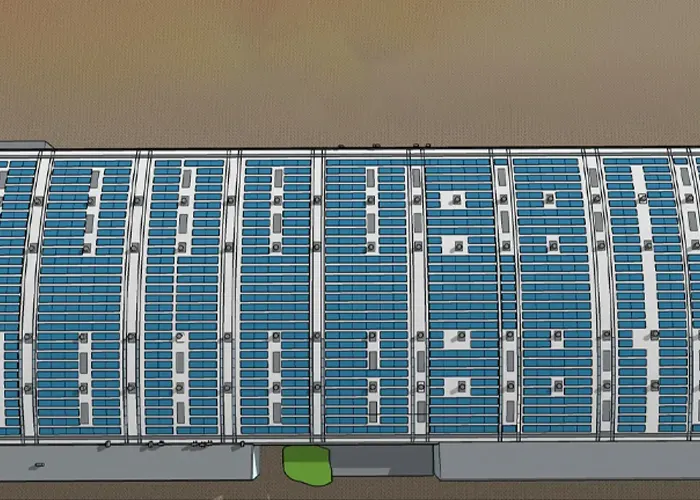
Solar PV Module Measurements
We measure the surface of your roof precisely. This indicates the precise number of solar panels that will fit and the ideal spacing between them.
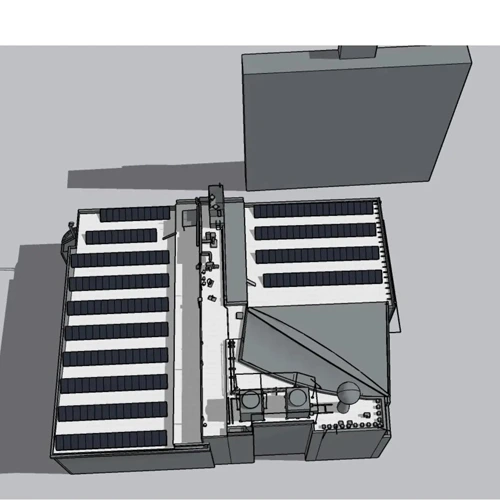
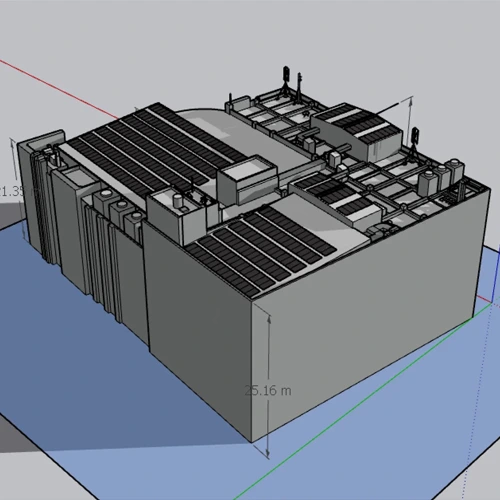
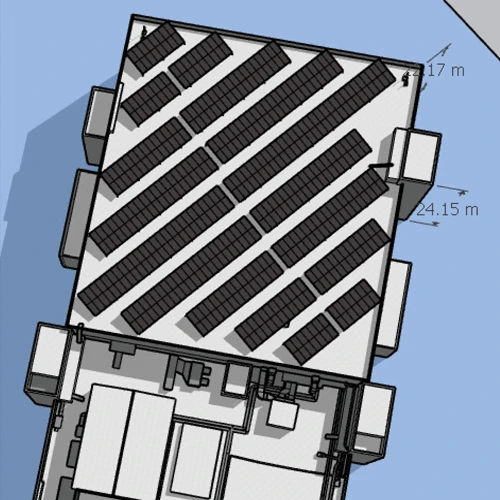
Inspection Reports & Client Dashboard
You can view our data, results, and images from anywhere by using a safe, cloud-based client dashboard. All inspection results are shown in one place.
Dashboard Features:
Secure login with different access levels for users
Defects shown with location details on interactive plant maps
Normal and thermal images with defect severity levels
AI-based insights to understand performance and defects
Maintenance tasks arranged by priority with clear action steps
Reports available for download (PDF, Excel, images, GIS files)
Data Security:
All data is protected and shared only with authorized users, following DGCA and ISO standards.
Trusted By Industry leaders












How Our Drone Solar Survey Works
Get In Touch With Us!
Phone
+91 8767645321
Email Us
Sales@lesoko.in
Visit Us
Trichy, Chennai
Send a message
Solar Rooftop Survey – Frequently Asked Questions
Yes, drone-based surveys are very safe. Workers do not need to climb on the roof, which reduces the risk of accidents. Trained professionals operate the drones by following safety rules and aviation laws.
The drone survey at the site usually takes 30 minutes to 2 hours, depending on the size of the roof. The final report is generally ready within 1–3 working days.
In most cases, the survey company takes care of all required permissions and follows local drone rules. Permission from the property owner is usually enough.
Drone surveys are highly accurate, often measuring within a few centimeters. Clear images and modern software help in correct planning and reduce mistakes during installation.
Yes, bad weather like heavy rain, strong wind, or fog can affect drone flights. Surveys are usually done in good weather for better results.