Drone-Based Solar Panel Inspection
Drone Powered Solutions
5+ lakh
safe flights
34+ GW
Solar Assets Inspected
2.3+ lakh
Hectares Surveyed
210+ Cr
Saved in Operational Costs
11,000+
Rooftop Surveys Completed
What is an Aerial Solar Panel Inspection?
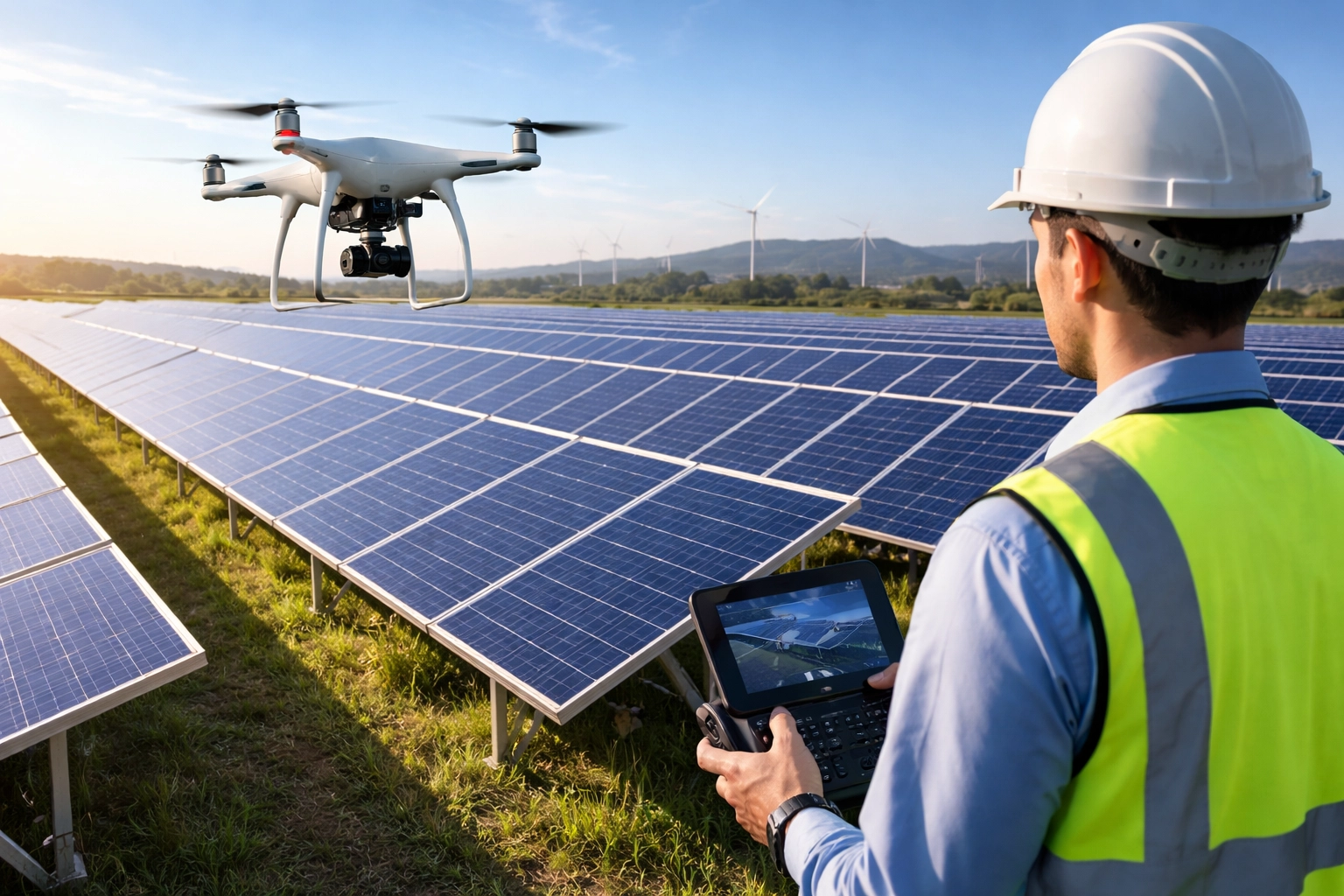
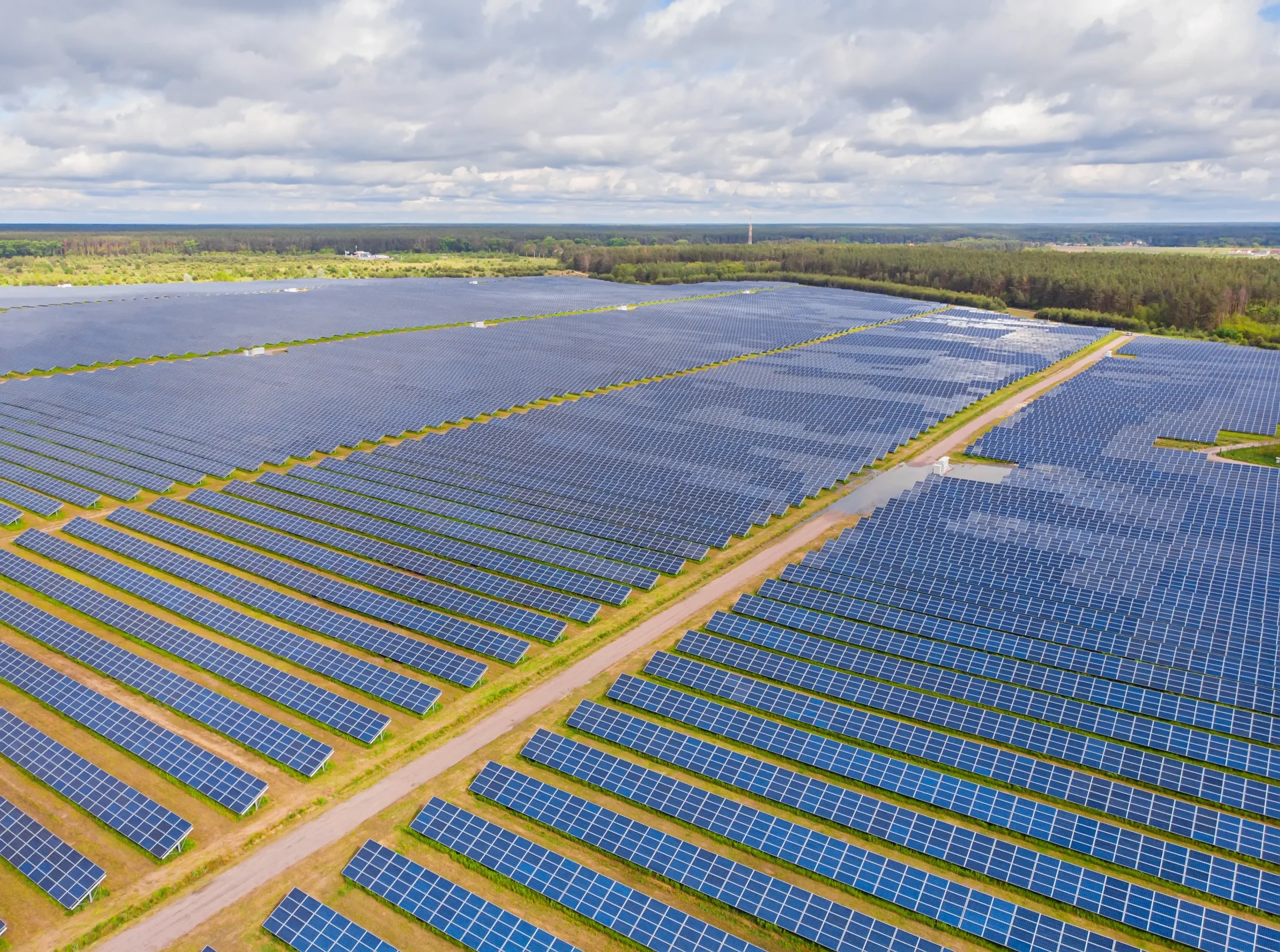
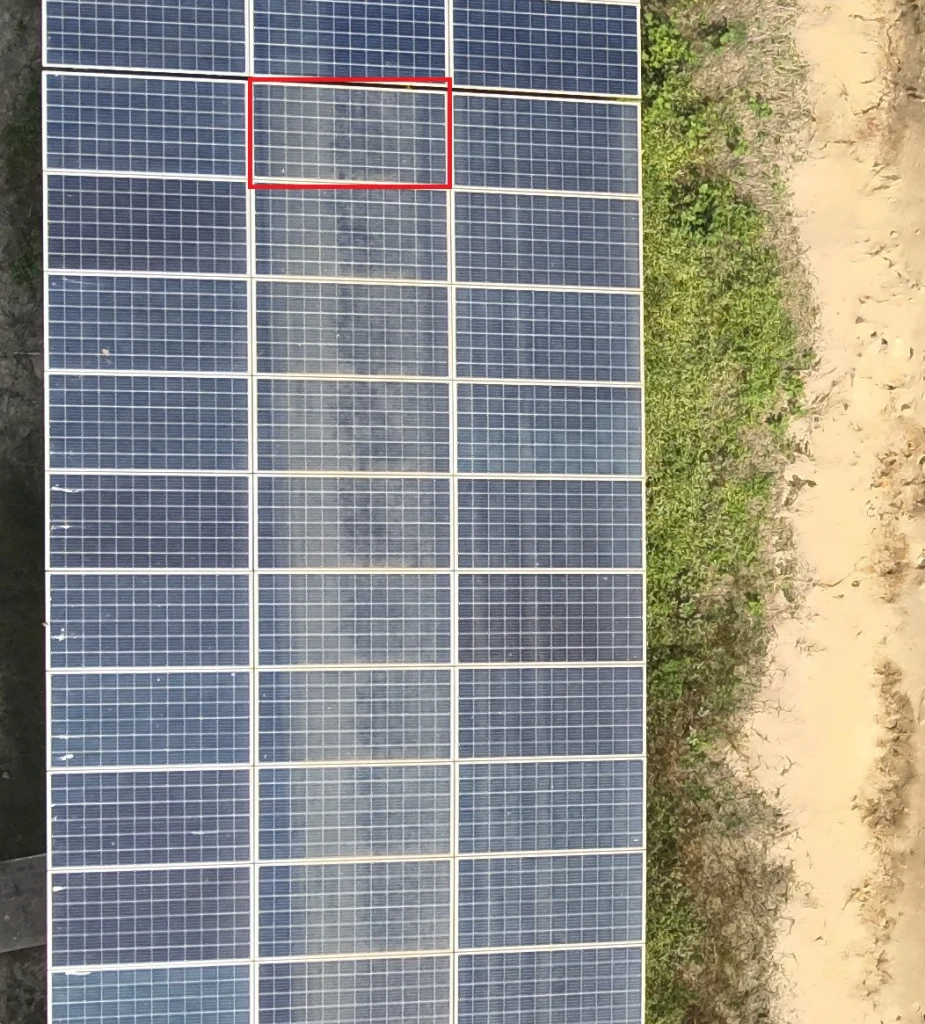
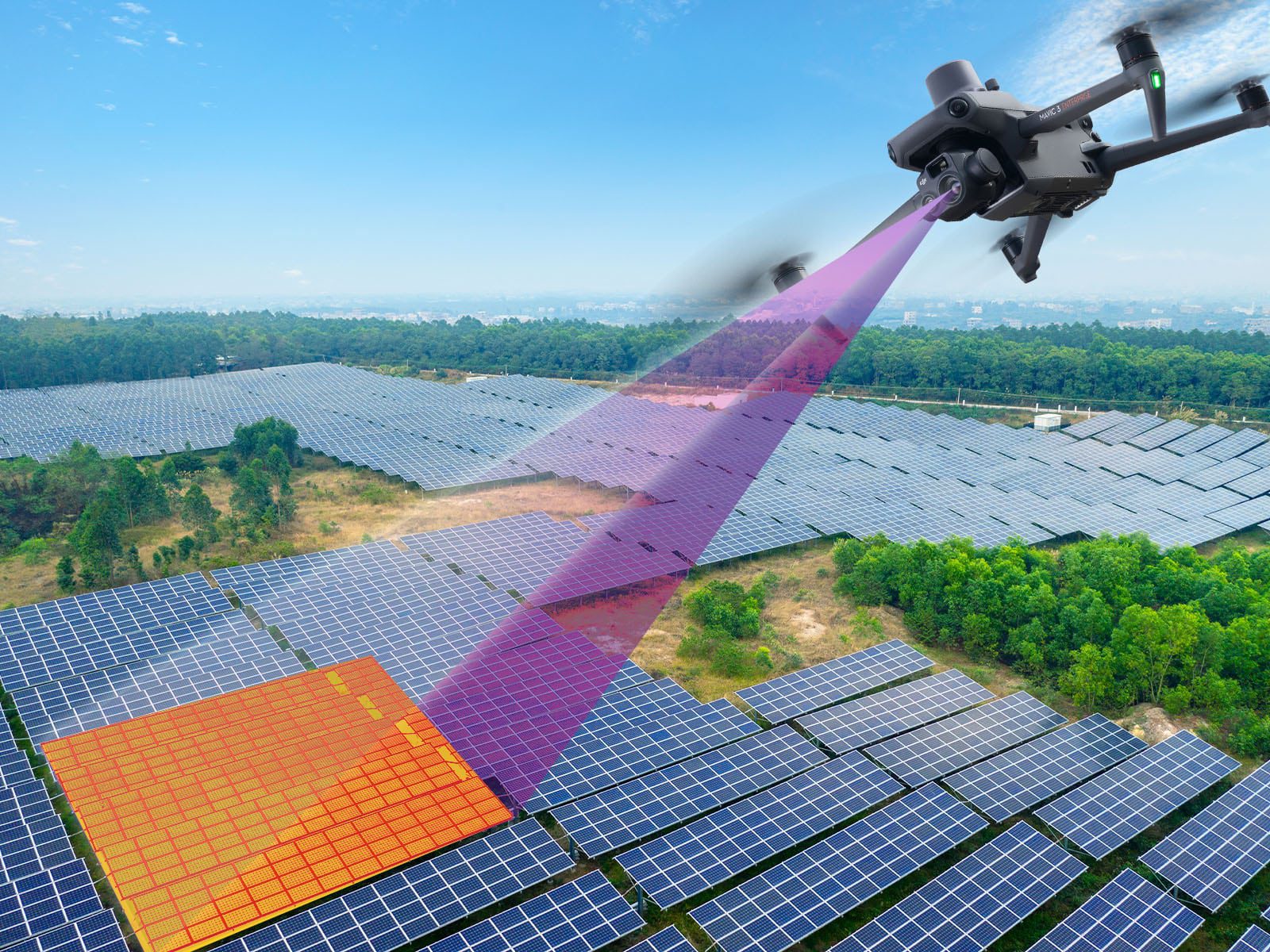
An aerial solar panel inspection is done using drones to check the condition of solar panels. These cameras and sensors on these drones help to identify defects such as dirt on panels, cracks, overheating spots, and shadows.
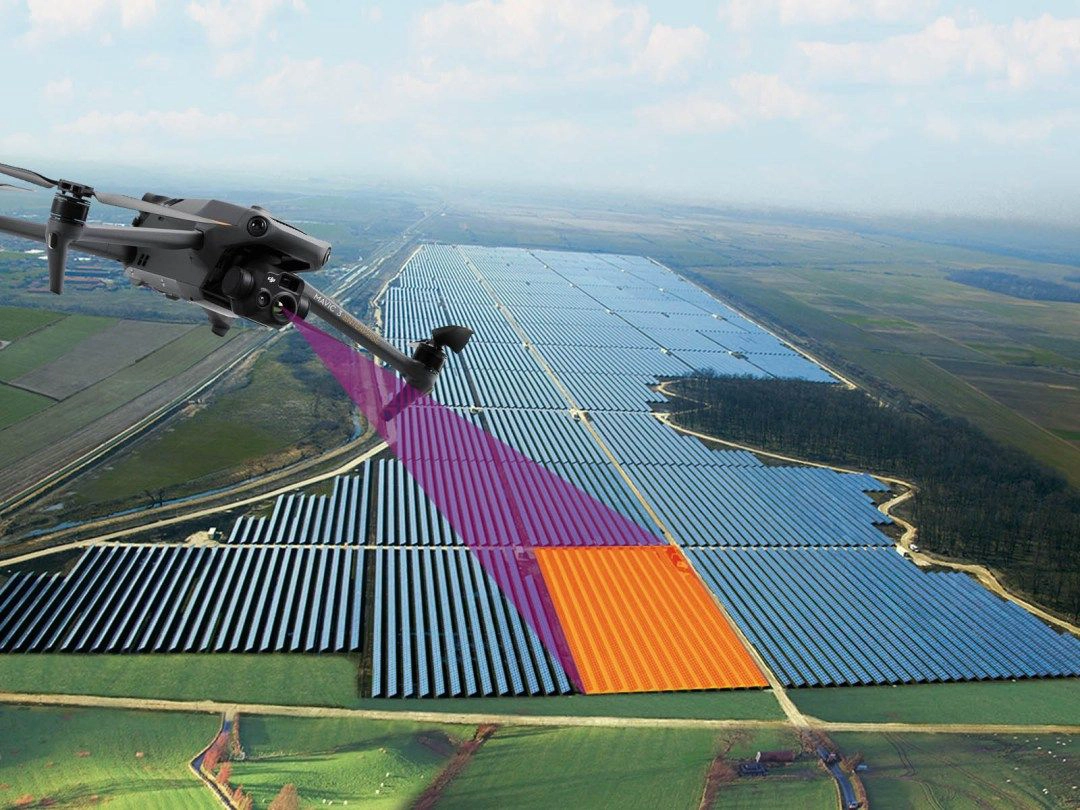
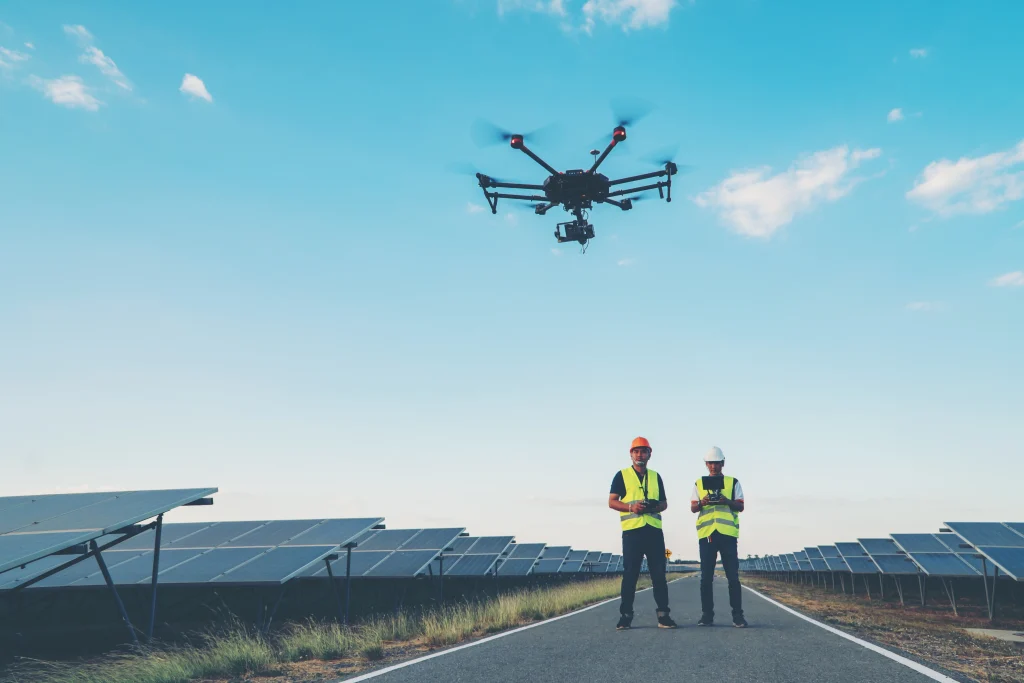
Drones fly over solar panels, gather real-time data, and give clear pictures. This helps workers understand the problems quickly and take the right action. This method is very beneficial for large solar plants and solar systems, where manually inspecting panels is difficult and time-consuming.
Drones with thermal cameras and smart technology enable faster, safer, and more accurate solar panel inspections with less human labor.
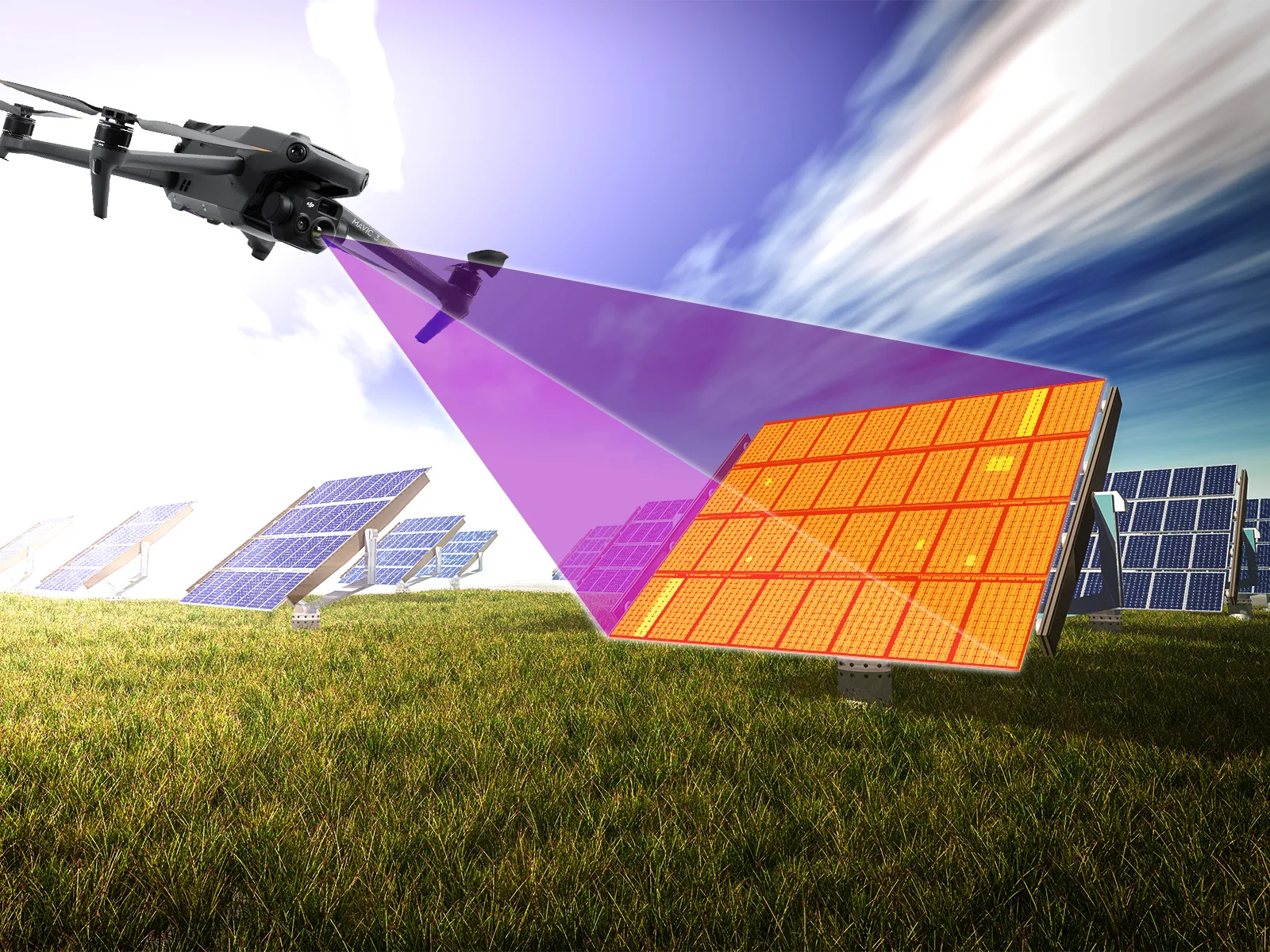
Thermal Drone Technology in solar panel inspection services
Drones with thermal cameras for solar panel inspection can also spot possible problems with solar panels, enabling companies to quickly find andfix any problems. They can also be used for performance monitoring and ongoing inspection. As the technology continues to improve, drones are expected to play an even bigger role in the solar industry.
Why Solar Plants Need Drone Inspection
Normal inspection methods are slow, less accurate, and sometimes unsafe.
Common Challenges
Small defects and hot spots are often not noticed during manual checks.
Solar plants need to be stopped for inspection, which causes loss of power
and money.Workers may get injured while walking on panels or working at high places.
Problems that are not found early can damage the panels over time
The Result?
Reduced plant efficiency and higher operational and maintenance costs
Solar Plant Inspection Using UAV – Why It Matters
For precise inspection and performance monitoring, using a UAV (drone) to survey a solar plant is crucial because
- Condition Assessment: To detect flaws like hotspots, cracks, dust, shading, and electrical problems, drones take high-resolution thermal and visual images.
- Preventive maintenance: By identifying issues early on, routine drone inspections lower the risk of long-term damage and power outages.
- Performance Monitoring: By identifying underperforming panels and plant sections, drone inspections enable immediate action.
Drones offer precise and trustworthy data when utilized for aerial solar inspections. This helps solar plant owners and operators improve system performance, boost safety, and decrease downtime without affecting the production of electricity.
How Drone Inspections Work for Solar Panels
Inspection Workflow
Flight Planning: The layout of the solar panels is used by experts to plan the drone’s flight path.
Aerial Scanning: The drone takes clear, high-resolution pictures of the solar panels.
Data Gathering: These photos are checked for issues such as dust, heat spots, or damaged panels.
Report Compilation: The panels that require cleaning or repair are listed in a full report.
Drones (UAVs) are frequently used in solar plant surveys and aerial solar inspections.
Solar Panel Defects We Identify
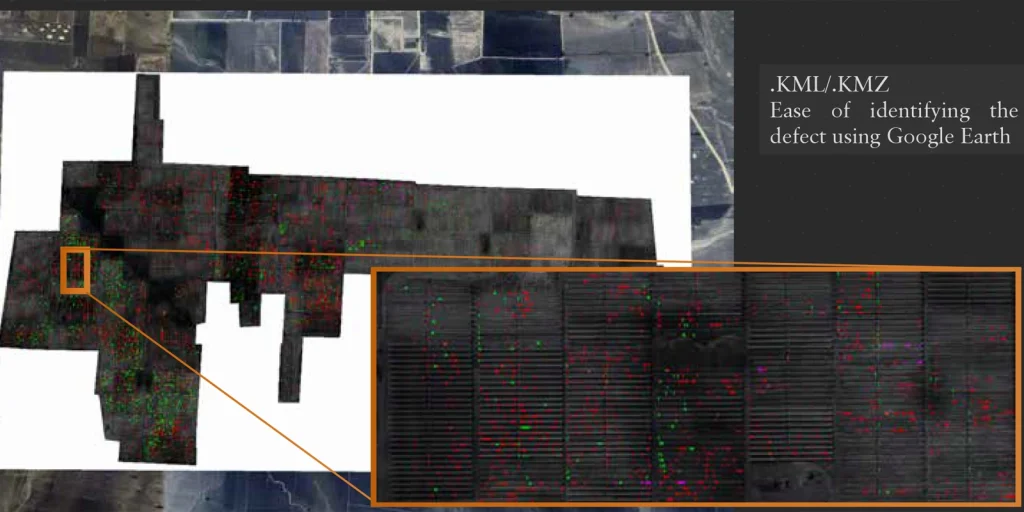
Our inspections detect and classify all critical solar PV defects, geo-tagged and severity-rated for fast action.
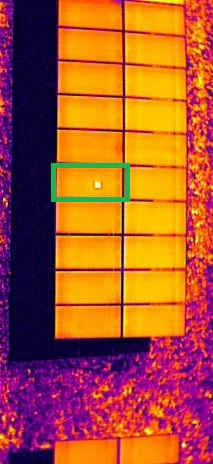
Hotspot
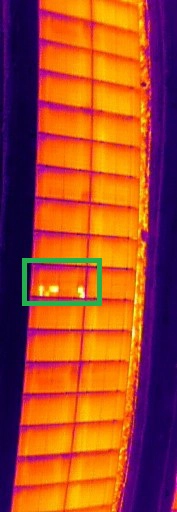
A hotspot defect in solar panels refers to a localized area of the panel that becomes significantly hotter than the rest of the panel.
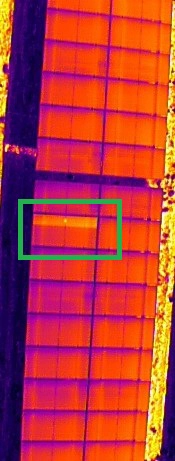
Multiple hotspot
A multiple hotspot defect in a solar panel occurs when more than one area of the panel develops hotspots simultaneously
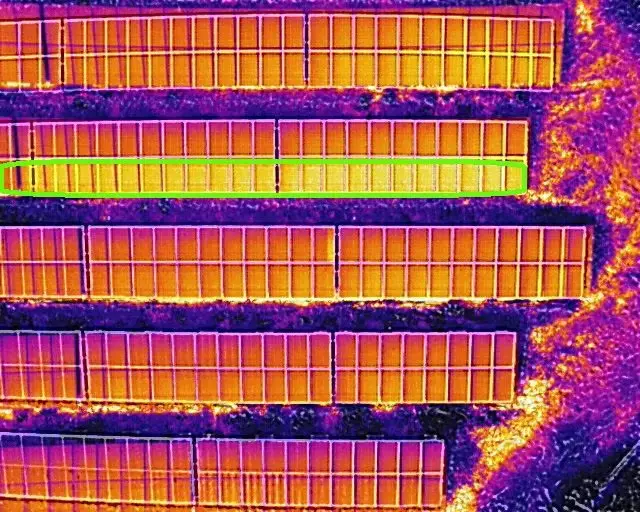
String Reverse Polarity
A string reverse polarity defect in a solar panel system refers to a situation where the positive and negative connections of a solar panel string are reversed, meaning that the positive terminal is connected to the negative side, and the negative terminal is connected to the positive side
Open circuit
When there is a break or disconnect in the electrical path that stops current from properly passing through the system, it is often referred to as an open circuit defect in a solar panel.
Shadow
A solar panel’s efficiency and total power output can be significantly reduced by a shadow defect, which happens when a portion of the panel is shaded.
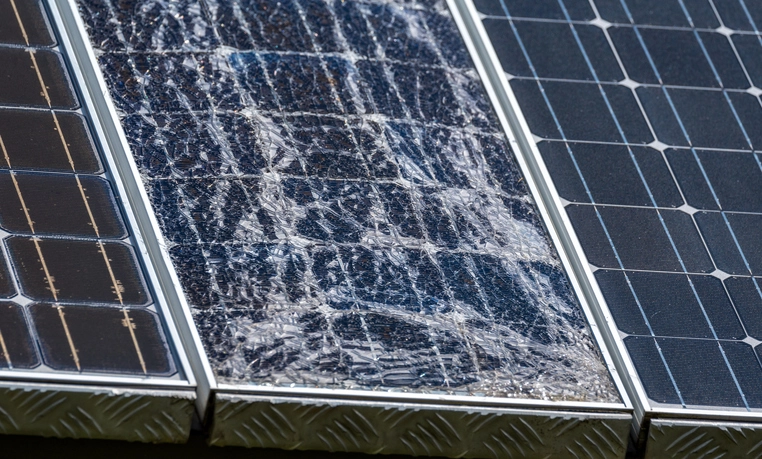
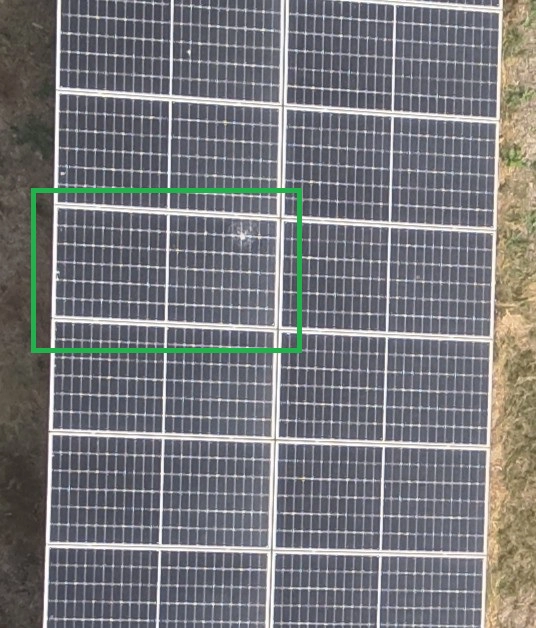
Damage
Any physical or structural problem that affects the integrity and functionality of a solar panel and causes decreased performance, possible failure, or a total incapacity to produce electricity is referred to as a damage defect.
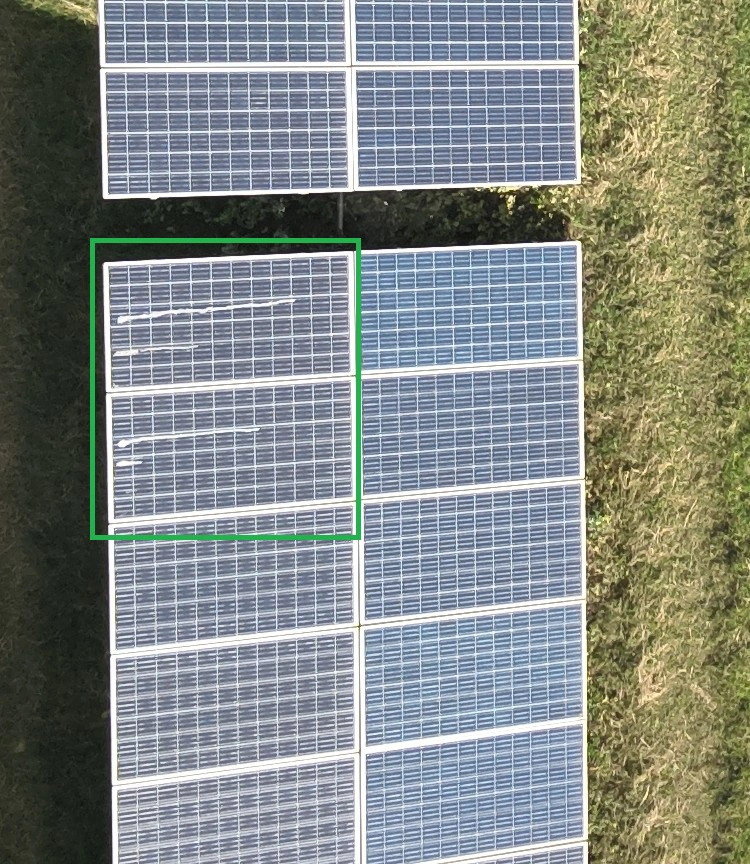
Bird Drop
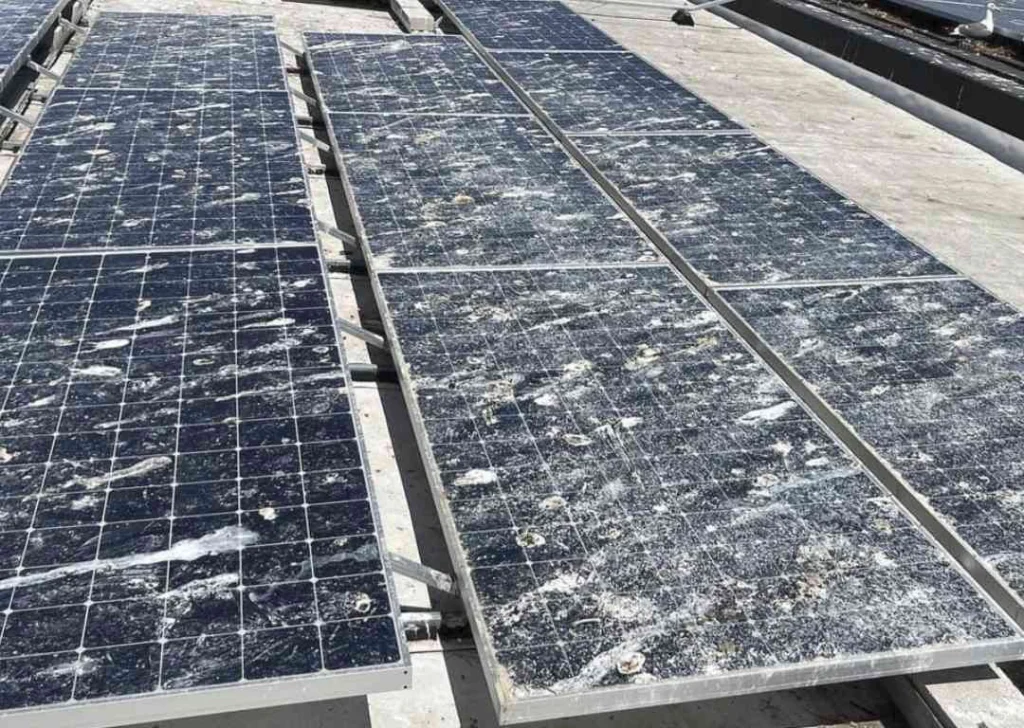
When bird droppings land on a solar panel’s surface, it can cause damage or contamination known as a bird drop defect. Bird droppings may seem like a small problem, but they can significantly affect the longevity and performance of solar panels.
Vegetation
The problems brought on by the growth of grass, plants, or other vegetation near or beneath the solar panel installation are referred to as vegetation defects in solar panels.
Dust
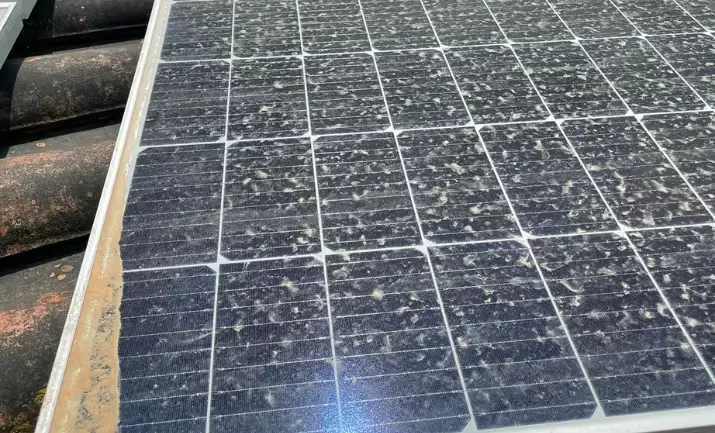
Dust on solar panels reduces the amount of energy they generate by preventing sunlight from reaching the semiconductor cells. A small amount of dust can cause a 5–20% reduction in power.
How it Works
Planning & Compliance
We check the site, plan the drone flight, and follow all safety rules.
Autonomous Drone Flights
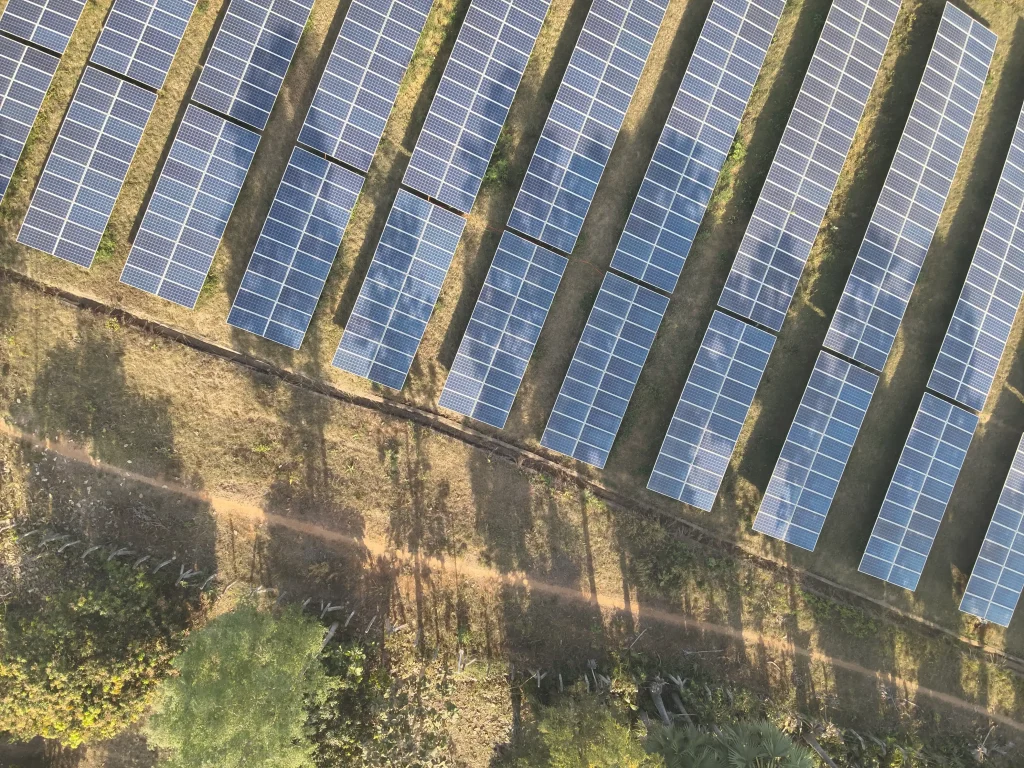
Drones fly over the solar plant and take clear thermal and normal photos without stopping the work.
AI-Powered Data Analysis
Smart software studies the data and finds problems in the solar panels.
Actionable Reporting
We give a clear report showing the issues and what action should be taken.
Our Deliverables
Some of our deliverables during the inspection include

Thermal & Visual Inspection
To ensure that solar panels operate safely and effectively, we use thermal and visual inspections to find hidden issues.
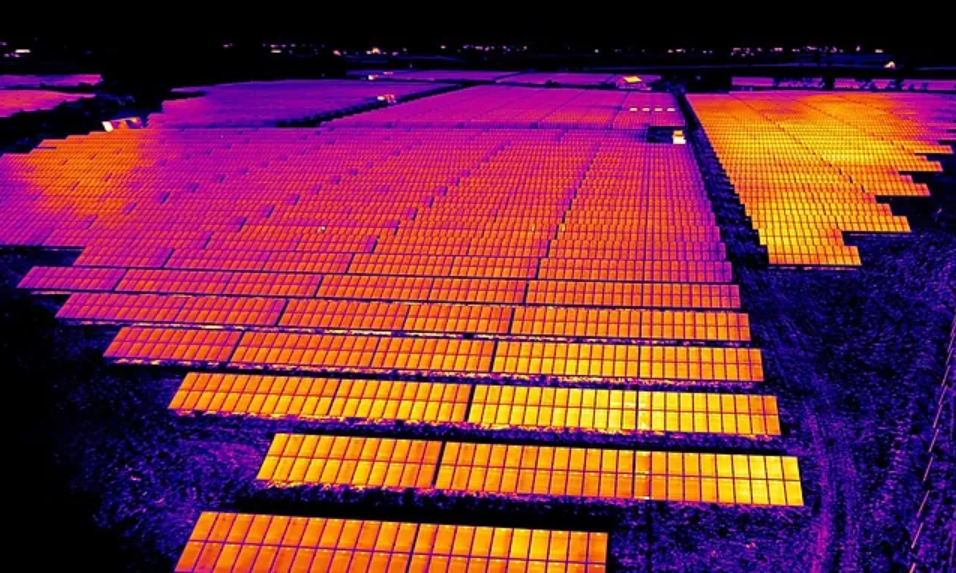
PV Module IR Imaging3
In solar panels, infrared cameras are used to locate hotspots, small cracks, and damaged cells. This reduces the chance of sudden problems and power outages.
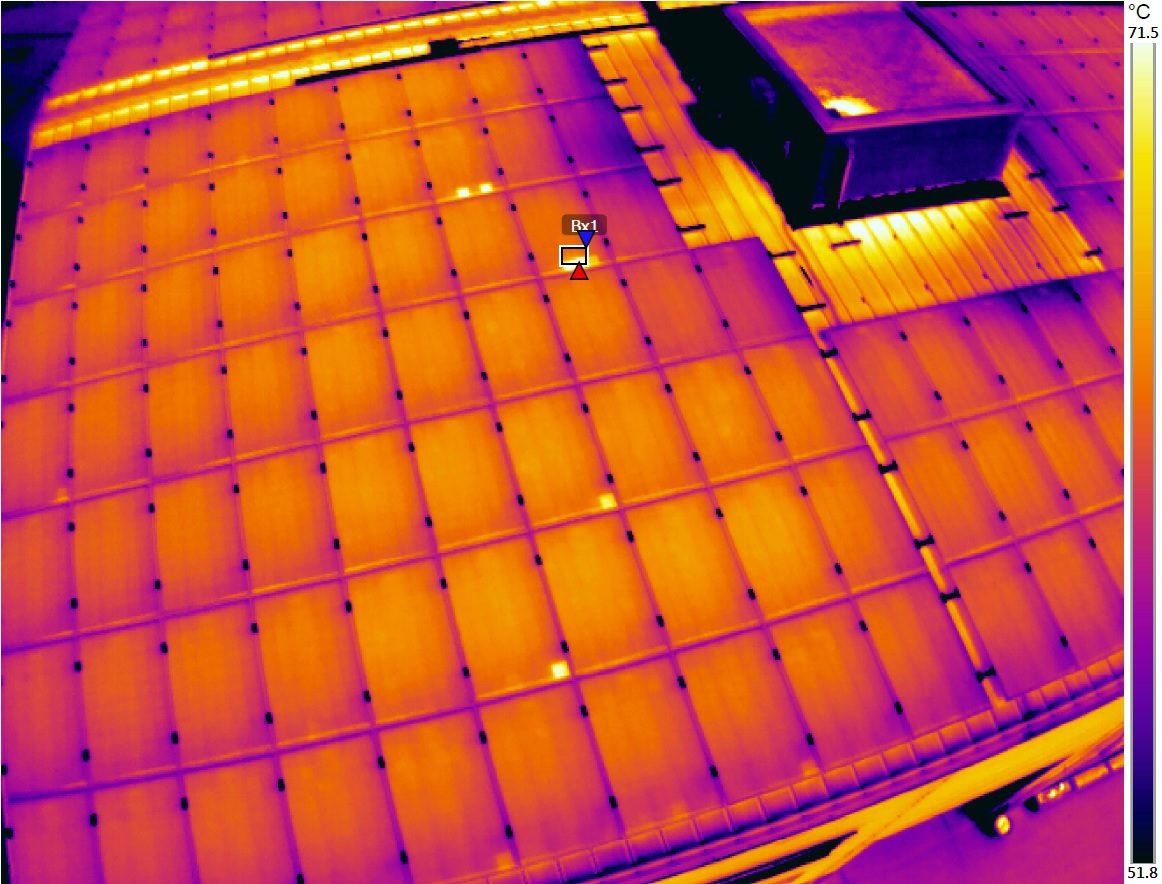
Solar Plant Thermography
Heat images can be used to thoroughly inspect solar plants and identify mechanical or electrical problems before they affect performance.

Defect identification
Early detection of issues with solar panels, connections, and the system can lower failure rates, boost efficiency, and extend the system's lifespan.
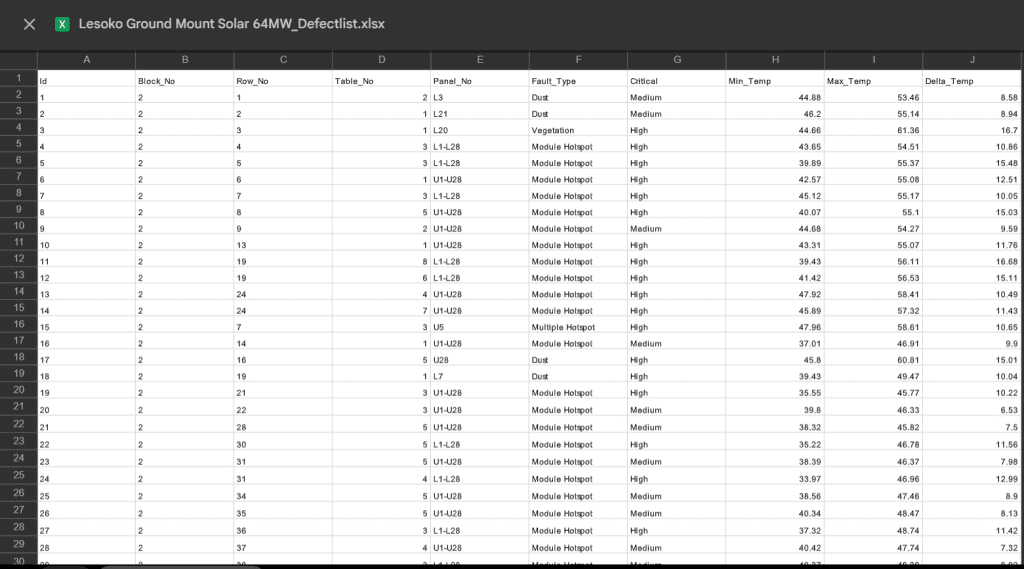
Inspection Reports & Client Dashboard
All inspection results are delivered through a secure, cloud-based client dashboard, giving you instant access to data, insights, and visuals from anywhere.
Dashboard Features:
Secure login with role-based access
Geo-tagged defects on interactive plant maps
Thermal & RGB images with severity classification
AI-powered defect analytics and performance insights
Prioritized maintenance and action recommendations
Downloadable reports (PDF, Excel, images, GIS files)
Data Security:
All data is encrypted and shared via authenticated access, compliant with DGCA and ISO standards.
Who We Serve
Solar EPC Companies
O&M Service Providers
Utility-Scale Solar Power Plants
Commercial & Industrial Rooftop Installations
Solar Asset Owners & Investors
How Often Should Solar Panels Be Inspected?
At least once a year, solar panels should be inspected from above. Inspections should be conducted more frequently in locations with high usage, bad weather, or periods of decreased power output. Artificial intelligence and machine learning enable drones to identify issues early on, preventing long-term harm and energy loss.