Drone-Based Solar Rooftop Survey

Smart, Safe & Accurate Rooftop Survey for Solar Panels
13,000+ Rooftop
Surveyed
<1cm level
accuracy

6gw+ of Solar

Rooftops Surveyed

5,00,000+

Safe flights

Data analytic

Solutions

What is a Solar Rooftop Survey?

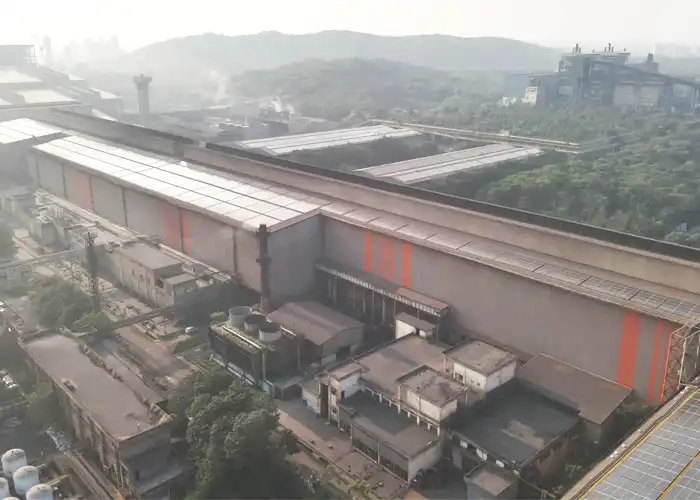
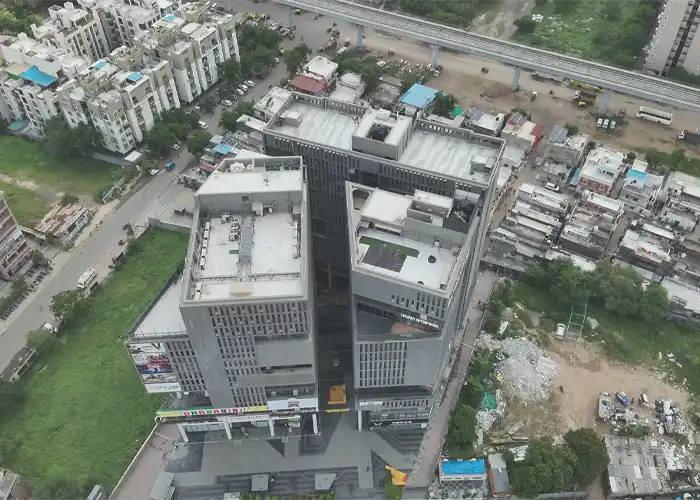
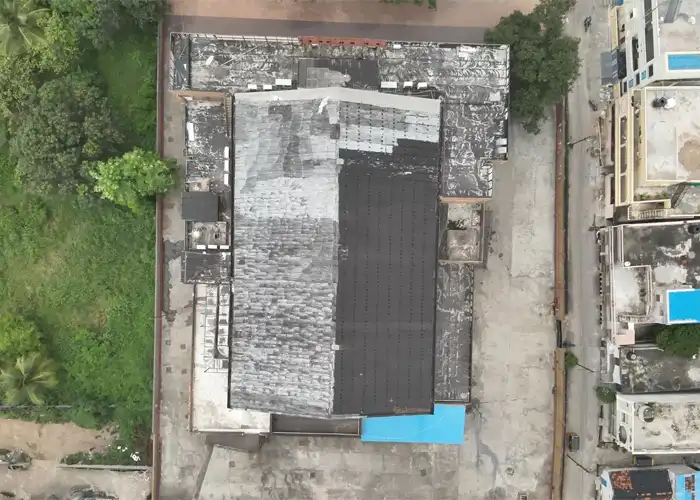
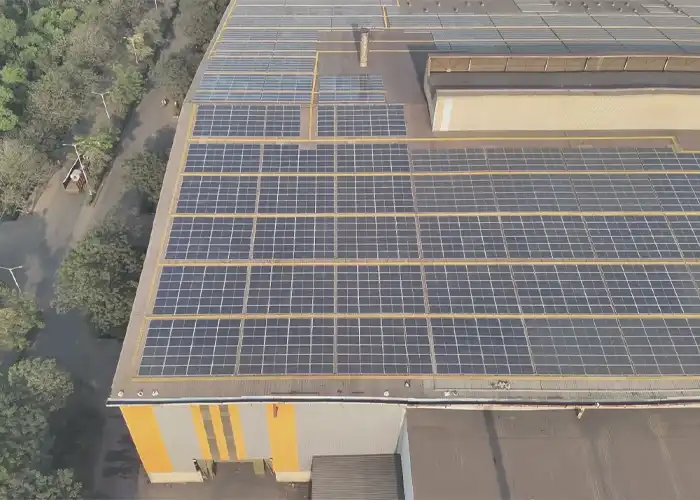
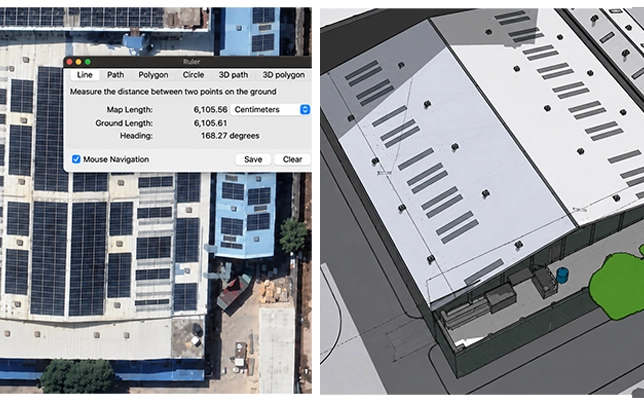
Using a high-resolution camera to look at a building’s roof, Solar Rooftop Survey produces precise data for contour maps, digital surface models, and 2D/3D models. The surveyor or the client can then see the project from a different angle through transforming these data points into 3D data. 

Due to their high efficiency, drones can quickly survey large areas and reduce the need for manual labor. Because it can access difficult-to-reach places, it lowers the risks involved in having human workers complete these tasks.

Drone-based solar rooftop surveys are a practical and efficient way to ensure the longevity and peak performance of rooftop solar installations.

A technician measuring a house roof for installing solar panels during a solar rooftop survey.
A Drone checking a building roof for sunlight and space to install solar panels.

Why Solar Rooftop Surveys Matters

A high-yield solar installation is built on accurate rooftop data. Standard manual surveys are dangerous, time-consuming, and prone to human error. Our drone-based solar rooftop survey ensures the best possible plant design, safety, and long-term performance by providing accurate measurements, obstacle mapping, and 3D insights.

Drone measuring a rooftop area to plan solar panel installation.

Why Use Drones for Solar Rooftop Surveys ?

Drones are extremely quick and effective. They can quickly survey large rooftops and reduce the need for manual labor. Additionally, drones can access dangerous and challenging locations, lowering worker risk. Drone-based solar rooftop surveys are therefore a clever, safe, and efficient way to make sure: :

  • Better solar panel placement

  • High system performance

  • Long life of rooftop solar plants

Drone surveys help make solar projects accurate, safe, and reliable.

Who We Serve

Our solar rooftop drone survey is ideal for:

  • Solar EPC Companies

  • Renewable Energy Developers

  • Commercial & Industrial Rooftop Owners

  • Government & Utility Bodies

  • Infrastructure & Asset Management Firms

How Often Should Solar Panels Be Inspected?

At least once a year, solar panels should be inspected from above. They should be inspected more frequently in places where they are frequently used, where the weather is severe, or when the amount of power generated decreases. Artificial intelligence and machine learning-powered drones can identify issues early. Over time, this helps prevent damage and energy loss.

Rooftop solar panels being checked and cleaned during a yearly inspection.

Problems We Solve Using Drones

Many solar projects face problems due to poor or manual surveys.
Our drone survey helps solve these issues:

  • Wrong rooftop measurements

  • Manual roof inspections that are unsafe

  • Design errors during solar installation

  • Time delays in project planning

  • Difficulty in reaching high or unsafe rooftops

Drone surveys simplify solar planning and minimize errors.

Drone inspecting solar rooftop panels to detect faults and hotspots

Drone Survey vs Manual Survey

Drone Rooftop Survey

• Very fast data collection

• High accuracy using GPS

• Safe, no need to climb roofs

• Can reach difficult areas

• Less disturbance to people and buildings

Manual Rooftop Survey

• Takes more time

• Depends on human skill

• Risk of slipping or falling

• Hard to reach some roof areas

• More physical effort needed

Our Solutions

We use high-resolution drones to capture accurate rooftop data that supports planning, design, and Inspection of solar projects.

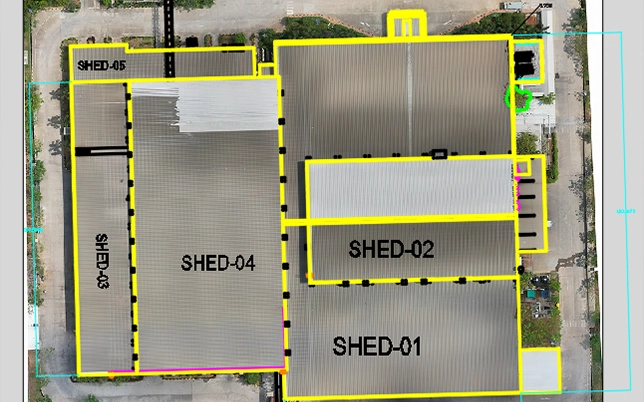
Orthomosaic (Georeferenced Image)
2D and 3D drawings of a solar rooftop showing panel layout and roof design.
Aerial orthomosaic of a building rooftop with multiple solar panels arranged in rows, showing detailed panel alignment and rooftop features
2D and 3D drawings of solar panels installed on a rooftop, showing layout and design of a solar system.

Orthomosaic (Georeferenced image)

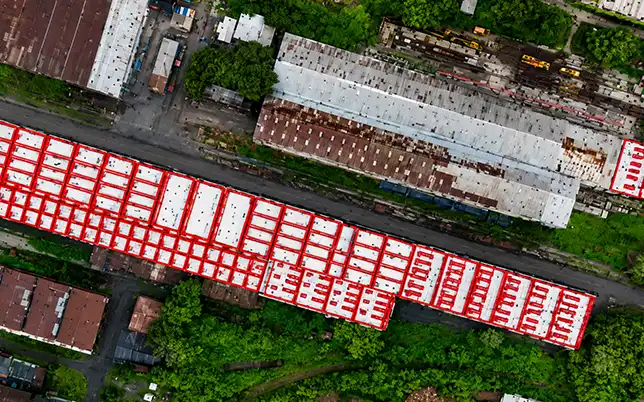
A large map created by combining many aerial photos is called an orthomosaic. It helps us study large areas, assess the state of the ground, and create better plans for various projects by accurately and clearly showing the land.

2D & 3D Rooftop Models

2D and 3D rooftop models are detailed drawings of building roofs that show their shape and height. They make it easier for us to plan solar panel installation or maintenance, measure the roof accurately, and look at its structure.

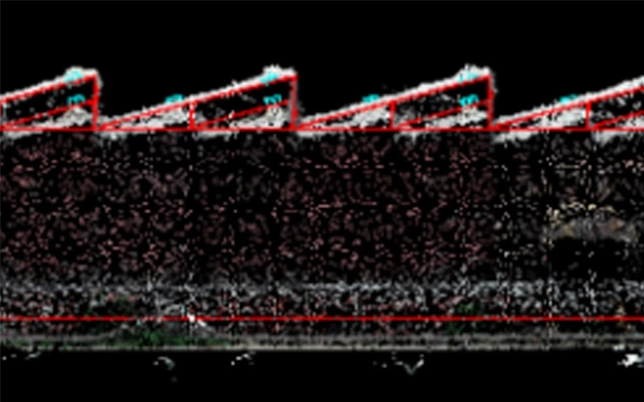
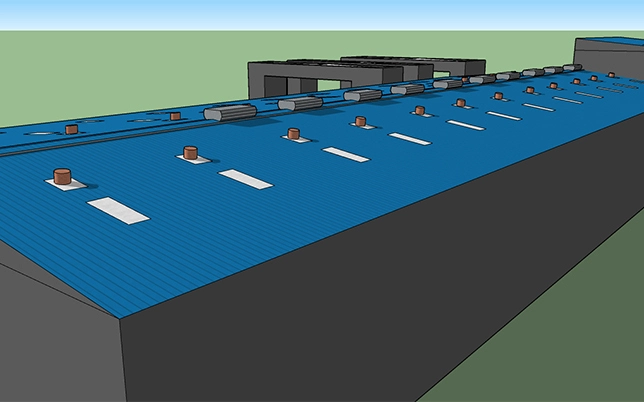
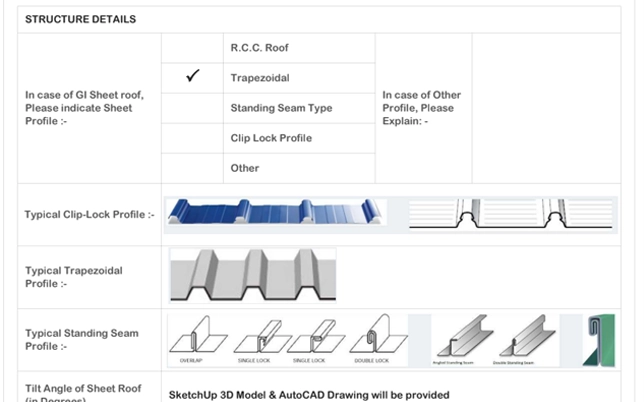
Diagram of solar rooftop panel sheet profile showing its features and size.
Solar rooftop with angled contour showing panels placed to receive maximum sunlight.
Metal sheet profile used for supporting solar rooftop panels on a building.
Contour view of solar rooftops with panels arranged neatly to collect sunlight and produce clean energy.

Sheet Profile

A sheet profile is a simple drawing of the side of a building or piece of land that shows its height and shape. It makes it easy to see and understand how slopes, levels, and elevation change in a certain area.

Contour Maps

A contour map is a unique type of map that displays the land’s height using lines. It is easier to understand the terrain and plan activities on the ground when we can see hills, slopes, and flat areas thanks to these lines.

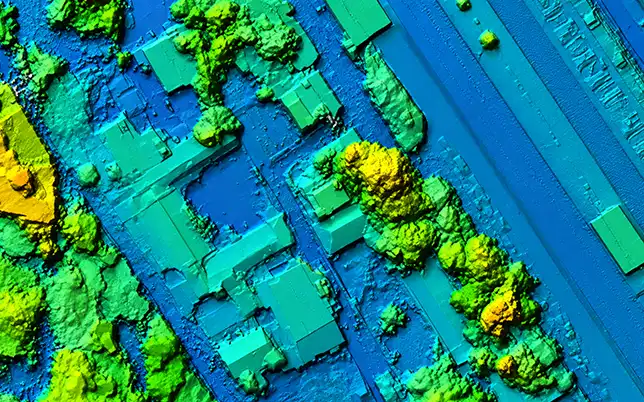
Digital Elevation Model (DEM)​

A Digital Elevation Model is a 3D representation of the height of the land surface. Using elevation data gathered from drones or satellites, it displays hills, valleys, and slopes. DEMs are helpful for mapping landscapes, planning construction, and researching water flow. They also help us understand the shape of the ground.

Digital elevation model of a rooftop with solar panels, showing height variations using a color gradient to represent different elevation levels across the roof surface.
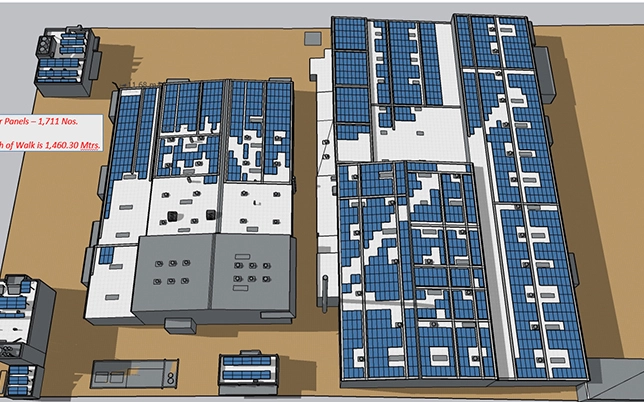
3D SketchUp model of rooftops with solar panels installed.
Aerial view of building rooftops showing space for installing solar panels.
3D SketchUp model of a building rooftop with solar panels installed.
A top-down aerial photo showing land, buildings, and roads from high in the sky.

Sketchup Models

SketchUp models are three-dimensional digital designs that clearly and accurately show buildings, structures, or objects. They make it simpler to plan construction, visualize concepts, and see how everything will appear before it is built by helping us understand shapes, sizes, and layouts.

Aerial Photos & Videos

Drones are used to take aerial photos and videos that provide a broad perspective of the terrain from above. They enable us to quickly view vast areas, research environmental changes, and keep an eye on construction or farming operations with precise and up-to-date visuals.

3D point cloud image of buildings with solar rooftops showing rooftop shapes and solar panel placement.
3D illustration of solar panels on a rooftop producing clean energy.
3D point cloud view of a rooftop with solar panels showing roof shape and layout.
2D illustration of solar panels installed on a building rooftop, capturing sunlight to make clean energy.

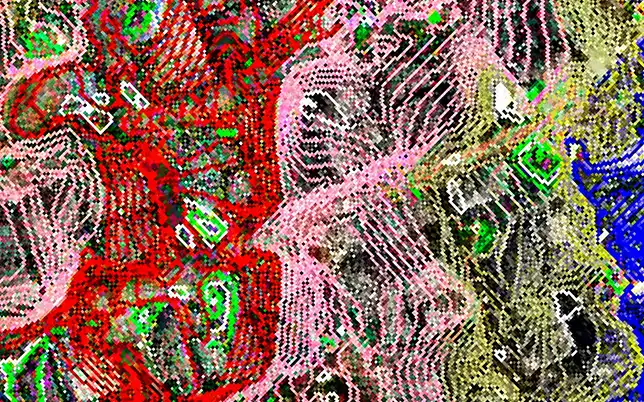
Point cloud

A collection of thousands of tiny points that show the precise shape of land or objects is called a point cloud. Drones or scanners record these points to create a 3D picture of the region. Point clouds are useful for studying structures, measuring distances, and building precise models for analysis and planning.

Reports

Reports are documents that clearly explain the results of a survey or project. They include measurements, images, and important findings in a simple format. Reports help people understand the data, make decisions, and plan the next steps by showing all the information in an organized way.

How Our Drone Solar Survey Works

Site Planning

Rooftop size, structure, and project objectives all play a role in flight planning.


Drone Data Capture

High-precision drones collect aerial data safely without physical access.


Data Processing & Analytics

Raw data is transformed into precise 2D and 3D models and reports through advanced processing.


Final Report Delivery

Complete survey package delivered for solar design and execution.

Key Benefits of Solar Rooftop Inspection

Poor or manual surveys cause issues for many solar projects.
These problems are resolved by our drone survey:

  • <1 cm survey accuracy for precise solar layouts

  • Faster survey turnaround of up to 70%

  • Accurate obstacle & shadow analysis

  • Improved safety – no physical rooftop access

  • Reduced long-term monitoring and survey expenses

Drone checking solar rooftop panels during inspection
Excel spreadsheet showing a solar panel inspection report with rows of inspection data, performance values, and maintenance notes.
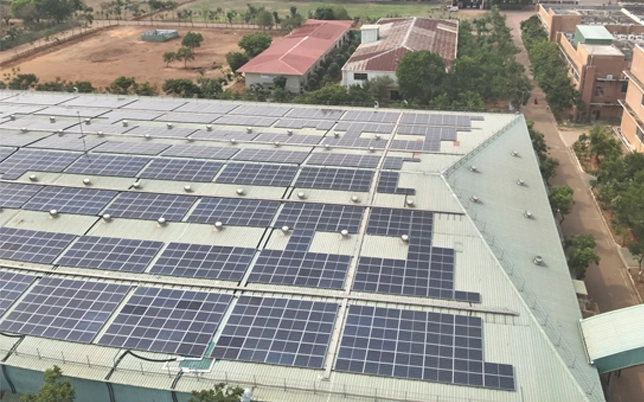
Rooftop solar panels on a house generating clean energy
Solar rooftop panel with shadows affecting sunlight.
Solar rooftop panels on a house generating clean energy

Solar Rooftop Inspection Report

All inspection results are shared through a secure, cloud-based dashboard. You can access your data, photos, and reports at any time and from any location by logging in.

Dashboard Features:

  • Secure login: Only authorized users can access the dashboard.

  • Geo-tagged defects: Defects that are geotagged are precisely displayed on the rooftop map.

  • Thermal & RGB images: Clear photos with defect severity marked as low, medium, or high.

  • AI-based analysis: The system uses artificial intelligence to detect flaws and show performance issues.

  • Easy action steps: You are given recommendations for what should be fixed first.

  • Downloadable reports: Download PDF, Excel, images, and GIS files quickly.

Data Security:

In accordance with DGCA and ISO standards, all data is encrypted and shared via authenticated access.

Solar Rooftop Survey – Frequently Asked Questions

1. What is a solar rooftop survey?

High-resolution cameras and sensors installed on drones are used in a drone-based solar rooftop survey to take precise pictures of a building's roof. In order to accurately plan and install solar panels, this data is processed into contour maps, digital elevation models, and 2D/3D rooftop models.

2. Why is a solar rooftop survey important before installing solar panels?

In order to find out how much usable space is available, where shadows fall during the day, whether the roof is strong enough, and how many solar panels can be installed safely, a solar rooftop survey is crucial. Additionally, it helps prevent design errors and post-installation performance problems.

3. How is a drone survey better than a manual survey?

Because a drone survey is quicker, safer, and more precise, it is superior. Large and challenging areas can be covered by drones without the need for climbing or physical risk. They capture detailed images and thermal data that humans cannot easily see during a manual Survey.

4. What deliverables do I get from a drone rooftop survey?

2D and 3D models, orthomosaic maps, digital elevation models, contour maps, point cloud files, shadow analysis, and rooftop measurements are just a few of the complete outputs you get. These deliverables help in planning, designing, and maintaining solar systems accurately.

5. How does the drone solar survey process work?

The survey starts with site planning, where the rooftop and project needs are studied. Then the drone flies over the roof and captures images and measurements. After this, the data is processed into maps and models. Finally, a complete report is delivered with all the information needed for design and installation.

Email Us

info@lesoko.in

Call Us

+91 8767645321

Visit Us

Trichy, Chennai

Business Hours

Mon-Fri: 9A.M to 6P.M

Scroll to Top