
Drone Solar Panel Inspection Services for Solar Power Plants
Detect solar panel defects early and improve plant performance with advanced drone inspections using thermal imaging technology.
5+ lakh
safe flights
34+ GW
Solar Assets Inspected
2.3+ lakh
Hectares Surveyed
210+ Cr
Saved in Operational Costs
11,000+
Rooftop Surveys Completed
What is Drone Solar Panel Inspection for Solar Farms
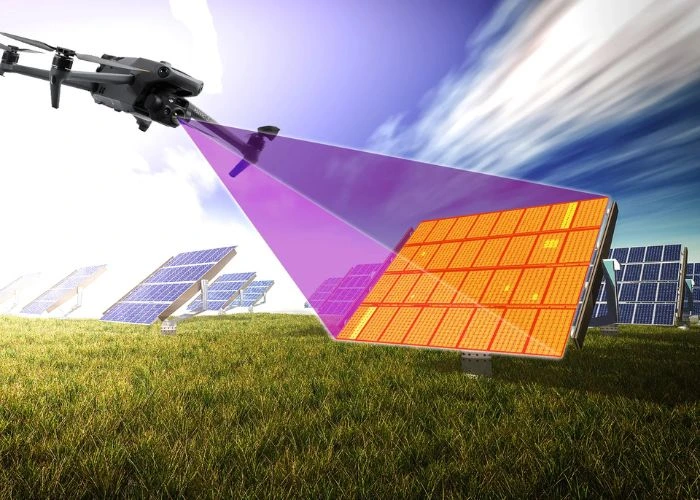
Drone solar panel inspection is an advanced method of inspecting solar power plants using UAV drones equipped with thermal and high-resolution cameras. This solar panel inspection using drones allows operators to detect defects quickly using thermal and RGB imaging, which are difficult to identify through manual inspections.
Using drone solar panel inspection services, solar plant operators can quickly identify issues such as hotspots, cracked panels, dust accumulation, shading problems, and electrical faults. Early detection of these problems helps improve plant performance and prevents energy losses.
Drone inspections are significantly faster, safer, and more accurate than traditional manual solar panel inspections. Large solar plants with thousands of panels can be inspected in a single flight, allowing operators to monitor the health of their solar assets efficiently.
Why Solar Plants Need Drone Inspection
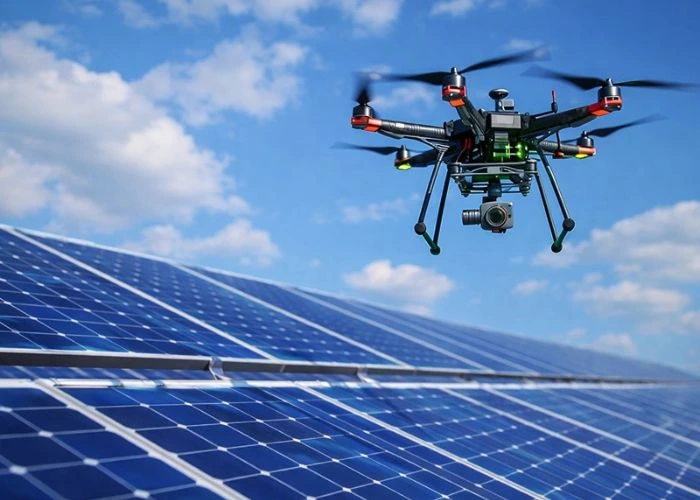
Solar power plants have thousands of panels spread across large areas, so checking each panel manually takes a lot of time and effort. Small problems like hotspots, cracks, dust, or shading can easily be missed, which can reduce the plant’s power production.
Drone solar panel inspection provides a faster and more efficient solution. Drones with thermal cameras can quickly scan large solar plants and capture images that help detect issues such as overheating panels, damage, shading, or electrical faults.
By finding these problems early, solar plant operators can fix them quickly, improve plant efficiency, and reduce energy losses. Drone inspections also improve safety by reducing the need for workers to walk on panels or work at heights.
Thermal Drone Technology for Solar Panel Inspection
Thermal drone technology plays a crucial role in modern drone solar panel inspection services. Drones equipped with radiometric thermal cameras and high-resolution sensors can detect temperature variations across solar panels, helping identify hidden defects that are difficult to detect through visual inspections alone.
Using infrared thermal imaging, drones can quickly scan large solar power plants and identify issues such as hotspots, overheating cells, faulty modules, and electrical faults that may reduce energy production.
Thermal drone inspections also support performance monitoring and preventive maintenance by allowing solar plant operators to detect problems early and take corrective action before they affect plant efficiency. As solar technology continues to grow, thermal drone inspections are becoming an essential tool for maintaining large solar farms and improving long-term energy output.
How Drone Solar Panel Inspection Works
Flight Planning
Before the inspection begins, our experts analyze the solar plant layout and plan the drone flight path to ensure complete coverage of the solar panels.
Data Gathering
The captured images are analyzed to identify hotspots, dust accumulation, shading issues, cracked modules, and other defects that may affect solar panel performance.
Aerial Scanning
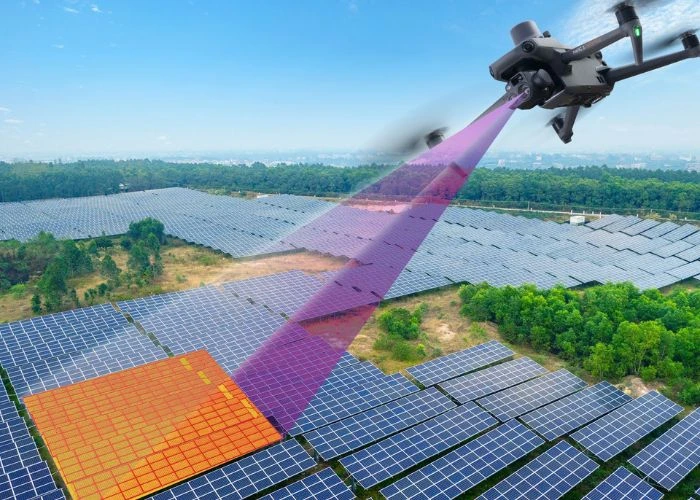
UAV drones equipped with thermal and high-resolution RGB cameras fly over the solar panels and capture detailed aerial images and thermal data.
Report Compilation
A detailed inspection report is generated highlighting defective panels, performance issues, and recommended maintenance actions to improve solar plant efficiency.
Solar Panel Defects Detected Using Thermal Drones
We identify and severity-rate critical solar PV defects to enable quick, informed maintenance decisions.
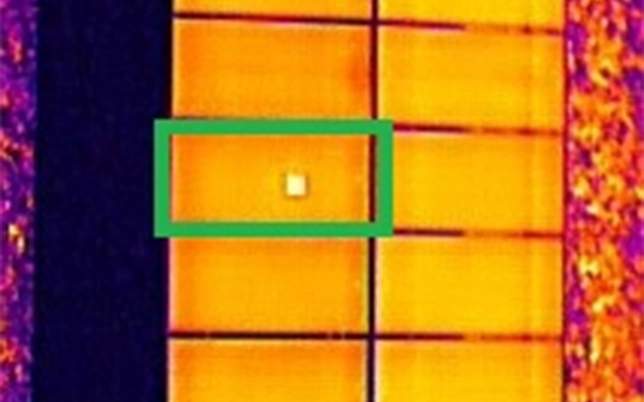
Hotspot
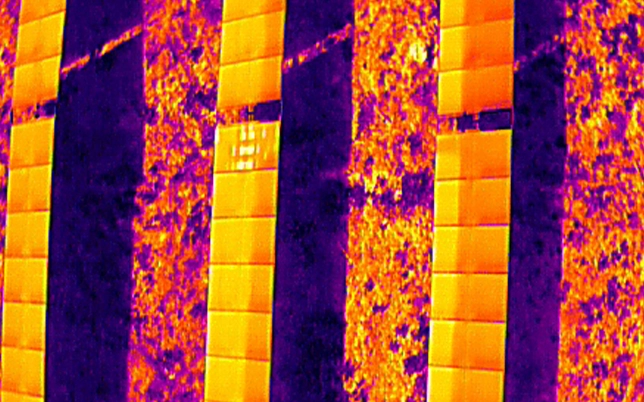
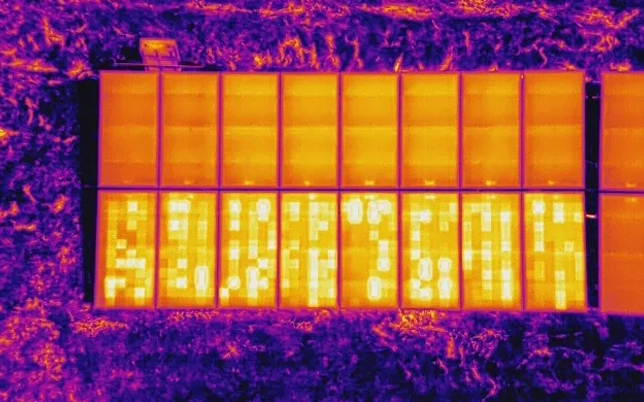
Multiple hotspots
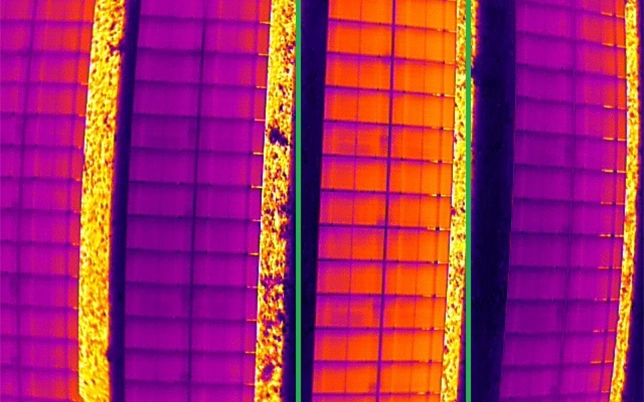
String Reverse Polarity
Open circuit
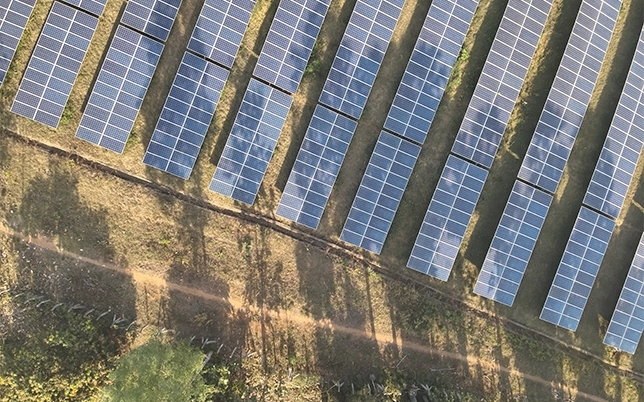
Shadow
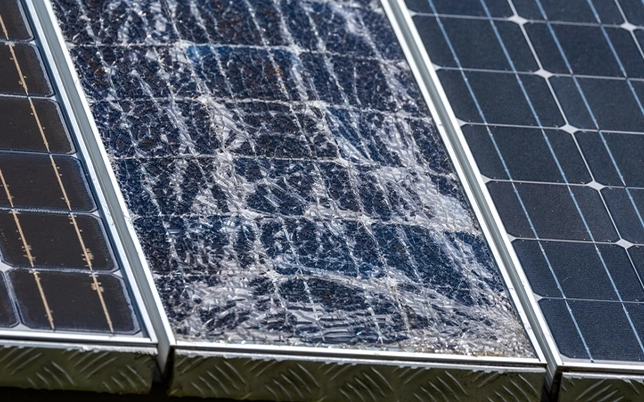
Damage
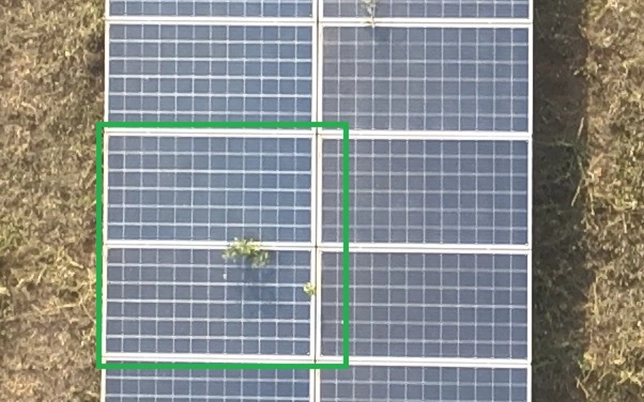
Vegetation
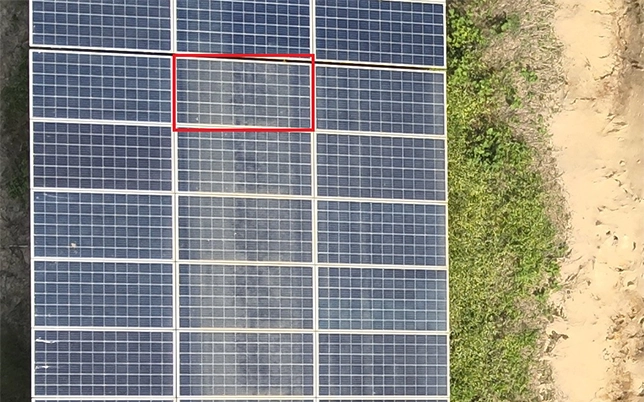
Dust
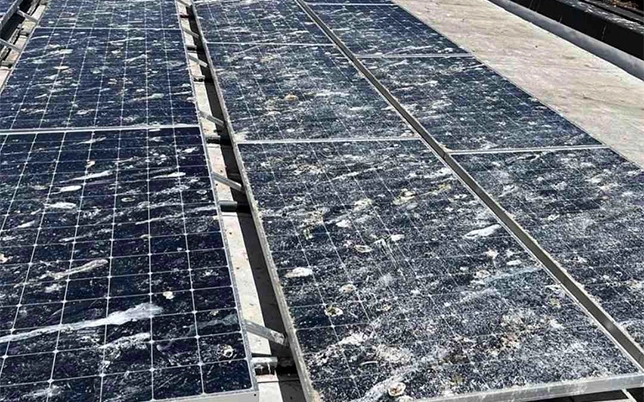
Bird Drop
Benefits of Solar panel Inspection
Precise Data
Drone-based solar panel inspection provides accurate data, which helps in better planning and analysis.
Time Efficient
Drone surveys take less time compared to traditional methods, helping projects move faster.
Cost Effective
Using drones helps reduce survey costs by saving time, lowering labor requirements, and minimizing equipment expenses.
Increased Safety
Drones reduce the need for workers to enter risky or difficult areas, making the work safer.
Data Analytics
Drone data can be studied to understand the site and help make better decisions
Customizable Solutions
Drone surveys can be adjusted based on project needs, making them useful for different sites.
Drone Solar Panel Inspection Services in India
We provide professional Drone Solar Panel Inspection Services in India to help solar power plant operators detect defects and maintain optimal energy output. Our drone inspection for solar farms enables fast monitoring of large solar installations and helps identify issues that can reduce energy production.
We provide drone solar inspection services across major solar hubs in India, including Tamil Nadu, Karnataka, Telangana, Gujarat, Rajasthan, and other key renewable energy regions.
Our drone solar panel inspection services support utility-scale solar farms, commercial rooftop solar systems, and large industrial solar power plants across India.
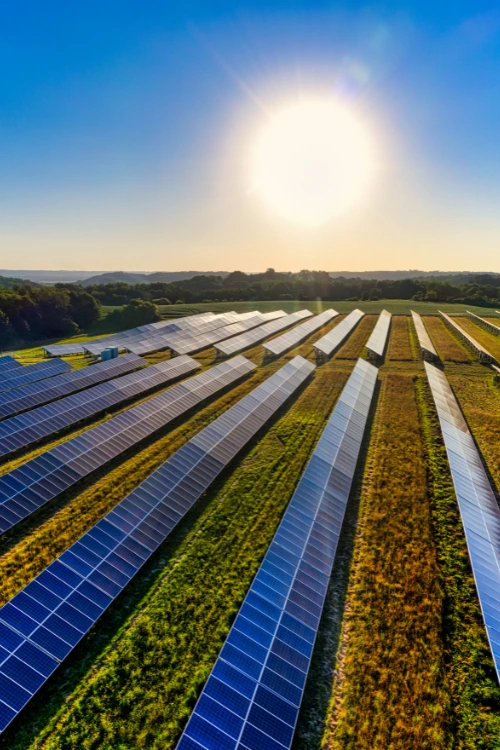
Our drone inspections are ideal for
- Utility-scale solar power plants
- Commercial and industrial rooftop solar installations
- Solar EPC companies
- Solar asset owners and investors
- Operation & maintenance (O&M) service providers
Drone Technology Used for Solar Farm Inspection
Our drone solar panel inspection services use advanced aerial technology to deliver accurate and reliable data for solar power plant monitoring. By combining high-precision drones, thermal imaging, and intelligent data analytics, we can detect defects quickly and improve solar plant performance.
RTK-Enabled Drones
We use RTK (Real-Time Kinematic) drones that provide centimeter-level positioning accuracy, ensuring precise flight paths and accurate geotagging of solar panels during inspections.
Thermal Imaging Cameras
Radiometric thermal cameras detect temperature variations in photovoltaic (PV) modules, helping identify hotspots, faulty cells, and overheating panels that can reduce energy production.
AI-Based Defect Detection
Inspection data is processed using AI-powered analytics to automatically detect solar panel defects such as hotspots, cell degradation, and panel damage.
GIS Mapping & Data Visualization
Inspection results are integrated into GIS-based solar plant maps, allowing operators to quickly locate defective panels and plan maintenance efficiently.
How Often Should Solar Panels Be Inspected?
Solar panels should ideally be inspected at least once a year to ensure optimal performance. However, solar power plants located in areas with heavy dust, extreme weather conditions, or high power demand may require more frequent inspections.
Using Drone Solar Panel Inspection Services, operators can quickly monitor the condition of thousands of solar panels across large solar farms. Drone inspections equipped with thermal imaging and AI-based analysis help detect issues such as hotspots, faulty modules, and performance losses at an early stage. Regular drone inspections help prevent energy loss, improve plant efficiency, and reduce long-term maintenance costs.
Our Deliverables
Some of our deliverables during the inspection include
Thermal & Visual Inspection
To ensure that solar panels operate safely and effectively, we use thermal and visual inspections to find hidden issues.
PV Module IR Imaging
In solar panels, infrared cameras are used to locate hotspots, small cracks, and damaged cells. This reduces the chance of sudden problems and power outages.
Solar Plant Thermography
Heat images can be used to thoroughly inspect solar plants and identify mechanical or electrical problems before they affect performance.
Defect identification
Early detection of issues with solar panels, connections, and the system can lower failure rates, boost efficiency, and extend the system's lifespan.
Trusted By Industry leaders












Lesoko Dashboard
Inspection Reports & Client Dashboard
Our Drone Solar Panel Inspection Services include a secure cloud-based client dashboard where solar plant operators can access inspection data, thermal images, and performance insights from anywhere.
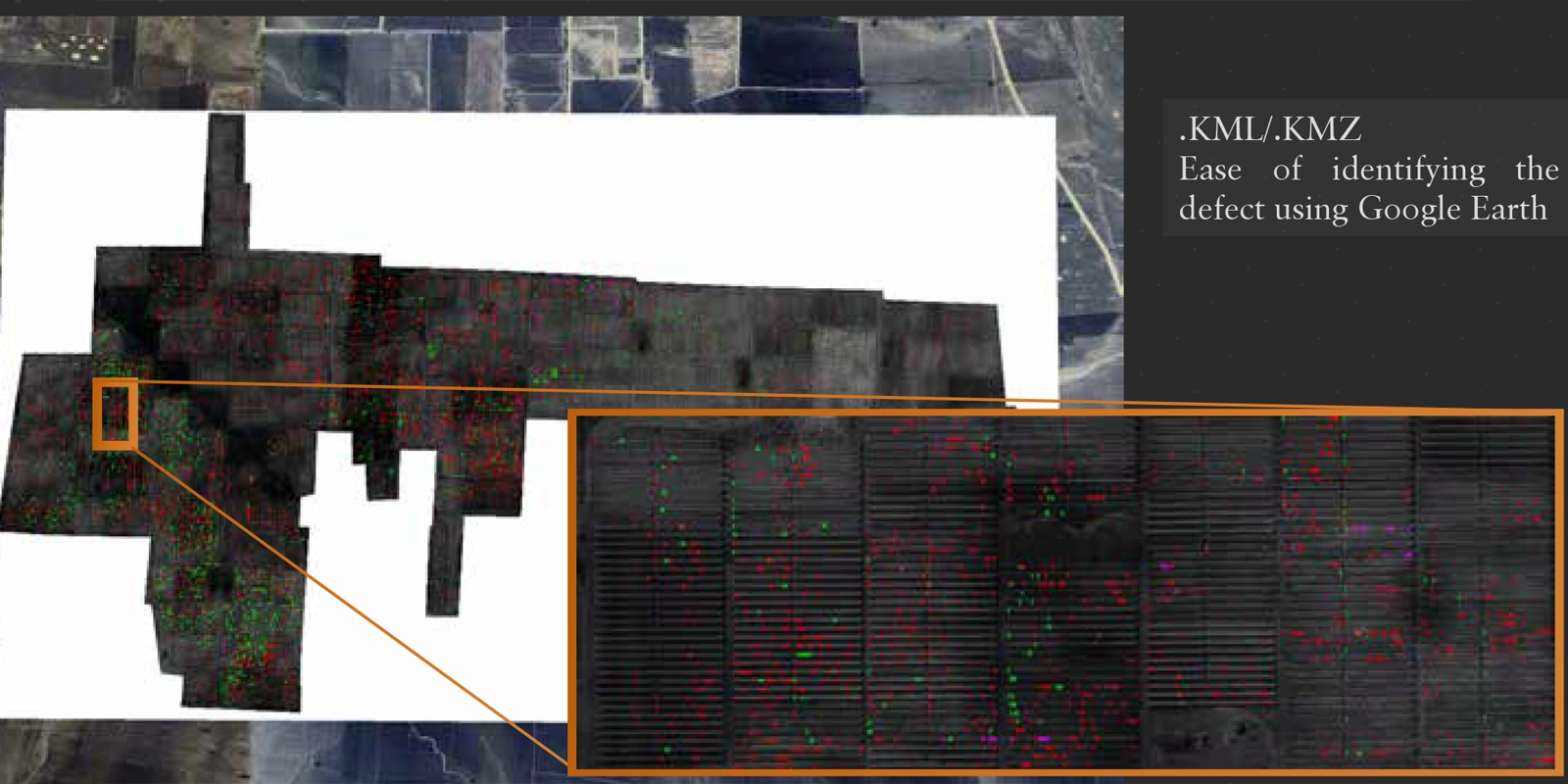
The dashboard provides a clear overview of solar plant health, helping teams quickly identify defective panels and plan maintenance actions.
Dashboard Features
• Secure role-based access and login
• Geotagged defect detection on interactive solar plant maps
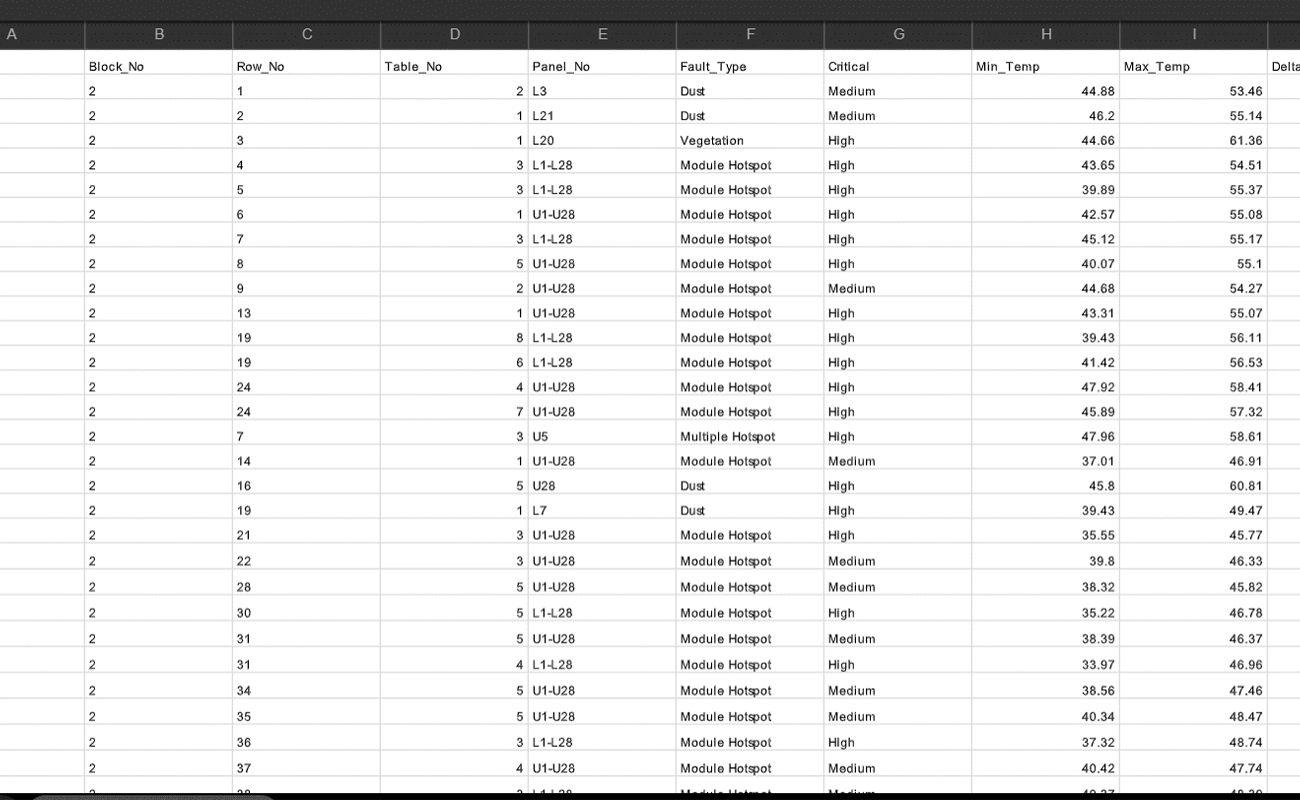
• RGB and thermal inspection images with severity classification
• AI-driven defect analytics and performance insights
• Prioritized maintenance recommendations
• Downloadable inspection reports (PDF, Excel, images, GIS files)
Data Security
All inspection data is securely stored and shared through authenticated access, following DGCA and ISO data security standards.
Frequently Asked Questions
Drone solar panel inspection uses flying drones with thermal and high-resolution cameras to check solar power plants for problems like hotspots, cracks, dust, or electrical faults. The drones take images, which are analyzed to create reports that help improve performance and plan maintenance.
Drones can find issues like hotspots, broken connections, cracks, shading, dust, plants growing around panels, and other electrical problems — often before they reduce energy production.
Most solar plants are inspected at least once a year. In dusty, extreme, or harsh weather areas, inspections every 6 months or quarterly are better to catch problems early.
Yes. By finding problems early and showing exactly which panels need attention, drones help reduce labor, equipment, and downtime costs while keeping the solar plant efficient.
Yes — drones are highly versatile and can inspect both large utility‑scale solar farms and commercial/industrial rooftop solar systems, offering accurate and efficient scanning across all scales.
Yes. Wind, rain, fog, or extreme heat can affect drone flights and image quality. Inspections work best in clear and calm weather.
Get In Touch With Us!
Phone
+91 8767645321
Email Us
Sales@lesoko.in
Visit Us
Trichy, Chennai